

Picture your bare backyard transformed into a vibrant oasis—lush greenery framing your pathways, pretty purple blooms lighting up each corner, and laughter filling the air as your family gathers under the sun. Whether you dream of hosting joyful picnics or savoring peaceful Sunday mornings surrounded by flowers, garden landscaping has the power to make your outdoor space your favorite place on earth. In this guide, you’ll discover both the art and science behind creating a thriving backyard sanctuary, no matter your experience or budget.
Unlocking Backyard Beauty: The Art and Science of Garden Landscaping
The journey to a picturesque backyard begins with the essentials of garden landscaping. At its core, garden landscaping is about more than just planting a few flowers—it’s an intentional process that combines garden design principles, creative inspiration, and practical structure to craft inviting, year-long outdoor living spaces. For homeowners and garden lovers, understanding the dynamics of landscape design means every inch of your yard can be reimagined as a living canvas, from simple DIY garden beds to stunning focal points like a pretty purple door.
If you’re new to landscaping or looking to refresh your existing space, unlocking backyard beauty starts with a blend of planning and ingenuity. You’ll learn how to map out your design, integrate elements like retaining walls or water features, and apply timeless principles—such as the rule of 3 and golden rectangle—to ensure every detail feels harmonious and welcoming. The magic of landscaping is that even the simplest touches, such as creative sign ideas or a well-placed regulating line, can elevate your yard from ordinary to extraordinary.

What You’ll Learn in This Garden Landscaping Guide
-
Comprehensive garden landscaping fundamentals for beginners
-
Key garden design principles and techniques
-
Actionable garden bed and landscape design strategies
-
How to create thriving, budget-friendly backyard spaces
-
Tips for maintaining a sustainable and beautiful garden
Garden Landscaping 101: Understanding Garden Design Fundamentals
At the heart of spectacular garden landscaping lies strong foundational knowledge. Every backyard is unique, but the basics of garden design remain universal: define the space, consider sunlight and drainage, and work with your existing yard’s strengths and challenges. Before even planting a seed or laying out a garden bed, it’s vital to assess your yard’s dimensions—how many feet wide, the slope, and the sun’s daily movement—to ensure your landscape design suits your specific setting.
Beyond technical details, it’s essential to infuse your vision and personality into the project. Ask yourself how you want the space to feel: peaceful and meditative, ideal for relaxation, or lively and playful, perfect for gatherings. Smart garden landscaping welcomes you year after year with lushness and beauty, thanks to thoughtful placements, multi-season plantings, and low-maintenance solutions. Inspiration may come from magazine spreads, a favorite pretty purple door, or even clever DIY outdoor projects you’ve admired in a weekly newsletter. Remember:
“A well-designed garden doesn’t just happen—it’s the result of careful planning, creativity, and ongoing care.” – Renowned Landscape Designer
Key Principles in Garden Landscaping: Using the Rule of 3, Golden Rectangle, and Regulating Line
Creating visually pleasing landscape design involves more than choosing plants and laying paths. Certain design principles, borrowed from art and architecture, underpin enchanting gardens again and again. The rule of 3 highlights the power of odd groupings and balance, the golden rectangle brings natural proportionality, and the regulating line ensures a sense of flow and connectivity throughout your garden—whether you’re working with a sprawling lawn or compact urban space.
These principles are not just abstract concepts; they are tools you can apply immediately. For example, arrange plants or decorative objects in groups of three for dynamic interest, shape beds and paths using golden rectangle ratios, or align major features along an invisible regulating line to create subtle cohesion. When thoughtfully combined, these keys help you design garden beds and outdoor living spaces that delight the eye and feel naturally harmonious.
| Comparison of Design Principles: Rule of 3, Golden Rectangle, Regulating Line | |||
| Principle | Main Focus | Best For | Example in Garden Landscaping |
|---|---|---|---|
| Rule of 3 | Balance & Visual Interest | Plant Groupings | Three pots of varying height near a pretty purple door |
| Golden Rectangle | Proportion & Harmony | Beds, Lawns, & Paths | Garden bed dimensioned to golden rectangle ratio for natural flow |
| Regulating Line | Alignment & Continuity | Focal Points | Pathways, beds, and water features aligned for seamless movement |
Landscape Design Tips: Transforming Your Garden with Budget-Friendly Sign Ideas
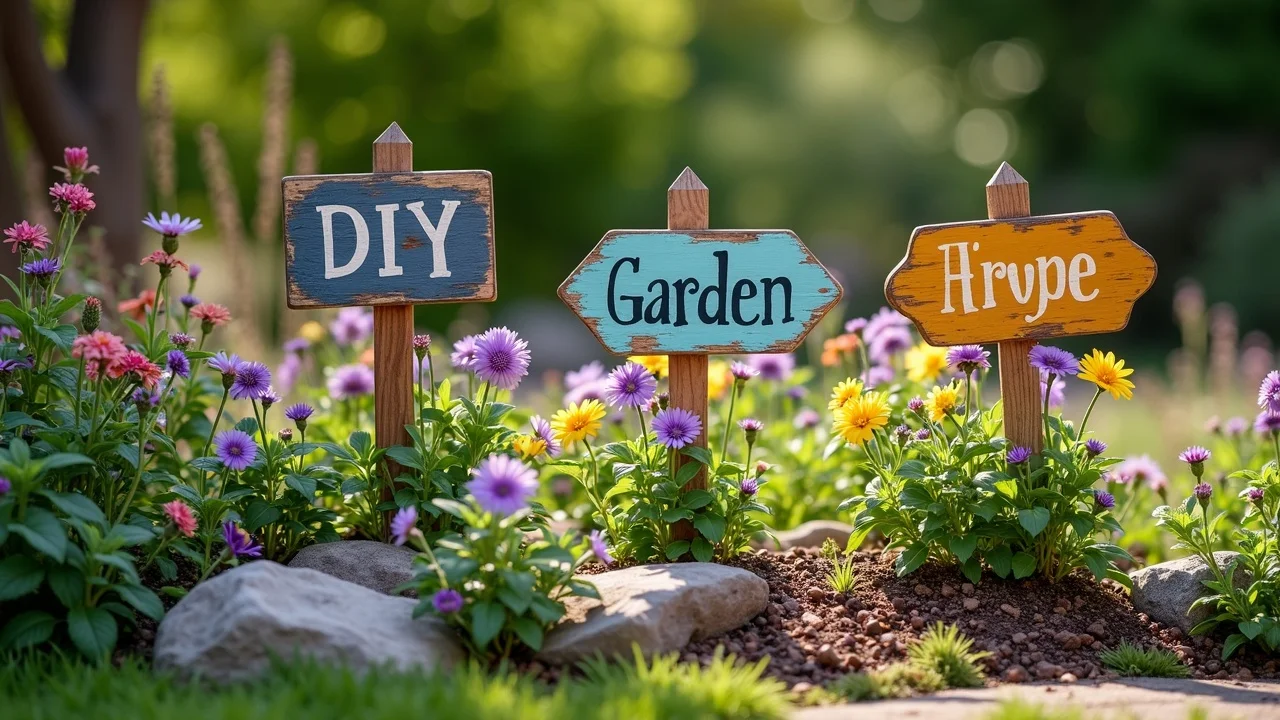
Creativity, not expense, is often the secret ingredient to memorable garden landscaping. Personalized sign ideas can lend whimsy and identity to your space for very little investment. Whether you’re marking a vegetable garden or spotlighting a “secret” flower path, DIY outdoor signs are simple DIY projects that combine function and artistry. Painted stones, reclaimed wood planks, and repurposed metal all become unique signage with a bit of ingenuity and your favorite colors.
Incorporate these sign ideas into themed areas, such as near your garden bed or flanking a pretty purple door. Not only do they delight guests and guide family members, but they also echo your personal style throughout the landscape design. Even a post shared among garden lovers can inspire a new sign that makes your backyard feel entirely your own.
-
Pallet board herb markers (“Basil”, “Mint”, “Cilantro”, etc.)
-
Painted river rocks as whimsical plant labels
-
Rustic wooden arrows to direct guests (“To the Oasis”)
-
Metal cutout signs for a contemporary garden bed touch
-
Slate tiles with handwritten chalk names for seasonal rotation
Step-by-Step Process: Building Stylish and Functional Garden Beds
The cornerstone of every great garden design is a thoughtfully constructed garden bed. First, determine the type best suited to your needs: raised beds are ideal for improved drainage and easy access, in-ground beds blend seamlessly with the landscape, and container beds increase flexibility for small or tricky spaces. Consider available sunlight, the mature size of your chosen plants, and proximity to seating or activity areas when planning garden beds.
Next, focus on soil—a critical factor in the success of garden beds. Combine high-quality compost, aged manure, and native soil to create a rich yet well-draining base that supports vegetables, ornamentals, and even ornamental grass. Place taller species in back or center, layering down to low-growing companions along the edges. Remember, a simple DIY approach—such as using inexpensive timber or recycled material for your bed’s frame—can deliver professional-quality results for your landscape idea.
-
Types of garden beds: raised, in-ground, and container
-
Best soil mixes: equal parts compost, topsoil, peat moss, plus slow-release organic fertilizer
-
Placement tips: situate beds where they’ll receive at least 6 hours of sunlight and are easy to water and harvest
Garden Landscaping with Color: The Power of Pretty Purple and Color Themes
Nothing says inviting backyard like a vibrant color palette, with pretty purple flowers stealing the show. Purples—a hue from calming lavender to vivid salvia—create cool harmony alongside fresh greens. Picking a signature color, such as for a purple door, and echoing it in floral borders or accent planters can tie the whole landscape design together. Companion planting not only bolsters visual appeal but also improves the health of your garden beds year after year.
Applying basic color theory helps you design garden spaces that feel intentional and serene. Use analogous colors (those next to each other on the color wheel, like purple and blue) for a sophisticated look, or pick complementary schemes (like purple against yellow or orange) for bold, cheerful drama. Let a pretty purple door spark ideas for container gardens or perennial borders, repeating the shade for harmony throughout your landscaping project.
-
Best purple door flowers: lavender, salvia, clematis, allium
-
Great companions: soft white alyssum, silver-leafed artemisia, pink echinacea
-
Color theory tip: balance strong hues with neutral greens for all-season charm

Sometimes seeing transformations brings imagination to life. Check out this inspiring video walkthrough that showcases real-life garden landscaping projects, highlights before-and-after shots, and captures how strategic plantings and functional features create inviting outdoor living spaces.
Hardscaping Essentials: Retaining Wall Options for Garden Landscaping
Structure is a vital element in successful garden landscaping, and retaining walls offer smart solutions for both function and style. When your yard has a slope, or you want defined planting levels, well-designed retaining walls prevent erosion, maximize usable space, and provide strong visual interest. Three main materials—stone, timber, and concrete—are most common, each with unique pros and cons for different landscape ideas.
Stone retaining walls evoke timelessness and stability, blending seamlessly with lush shrubbery and ornamental grass. Timber is a favorite for its rustic appeal and ease of DIY outdoor installation, while concrete delivers unmatched modernity and longevity. Match the wall style to your overall garden design concept for cohesion, ensuring the colors and textures harmonize with the garden beds and surrounding vegetation.
-
Stone: Long-lasting, natural look, higher upfront cost
-
Timber: Easy to work with, budget-friendly, requires treatment for longevity
-
Concrete: Modern, durable, highly customizable, may need professional installation

Mastering Spatial Planning: Integrating the Regulating Line in Your Garden Landscaping
Integrating the regulating line is a professional trick that even beginners can master for harmonious garden landscaping. The regulating line refers to an imaginary line that connects major features—your house corner, a pretty purple door, a pond, or a main path—establishing alignment throughout the yard. This alignment unifies disparate beds, hardscapes, and focal points, resulting in a design that feels thoughtfully planned and naturally flowing.
This concept doesn’t require complicated tools or costly expertise. Sketch your property’s main features on paper and draw lines connecting them—these become your regulating lines. Then, plan new plantings, garden beds, or seating along these lines for maximum synergy. Whether you’re placing a vegetable garden or designing a new border, the regulating lines ensure a graceful transition from one element to the next, making even simple DIY projects look professionally styled.
For those interested in taking their outdoor spaces to the next level, exploring advanced landscape design techniques can provide additional inspiration and practical ideas to enhance both the beauty and functionality of your garden.
Garden Landscaping for Small Spaces: Maximizing Every Inch
Not every backyard offers sprawling lawns—but expert landscape design proves you don’t need vast square footage for lush impact. Vertical gardening turns fences and blank walls into productive, leafy tapestries, while multi-use features (like seating that doubles as raised garden beds) amplify usability. Clever placement of containers and mirrors creates the illusion of depth and abundance, even in tight city lots.
Start by prioritizing functional elements. Add weatherproof shelves for potted plants, use trellises for climbing vines, or opt for stackable containers. Grow herbs, salad greens, and pretty purple flowers upward to save floor space, and anchor everything with an outdoor living nook or mini-patio. The right layout means every foot wide is put to work, maximizing enjoyment year after year for apartment dwellers and homeowners alike.
-
Vertical gardening with trellises, wall pockets, or stacked planters
-
Seating with built-in storage or planter boxes
-
Smart color use and mirrors for perceived spaciousness

The Role of Edging and Borders in Garden Landscaping
Edging defines boundaries, guides movement, and gives your garden design a polished look. Bricks, natural stones, and even living borders of low-growing ornamental grass or creeping thyme can be used to keep mulch contained, delineate pathways, or create neat separation between lawn and beds. The materials you select for garden bed edging impact the visual rhythm and overall cohesion of your landscape idea.
For a simple DIY upgrade, try reusing bricks or stones you have on hand; these create rustic, cost-effective borders around vegetable gardens. Living edges—such as small perennials or ground covers—add both softness and continuous color, working especially well for romantic, cottage-style garden lovers. Consider mixing materials for a creative, personalized effect that enhances your garden landscaping and keeps maintenance manageable.
-
Brick: Classic, easy to maintain, suits most designs
-
Stone: Natural, durable, integrates seamlessly with foliage
-
Living edge: Colorful, soft, attracts pollinators and beneficial insects
Garden Landscaping with Water Features: Adding Serenity and Movement
Nothing elevates garden landscaping like adding a water feature. Whether a simple DIY pond, small fountain, or bird bath, water introduces both visual dynamism and soothing sound, enhancing any outdoor living environment. Strategically placed, even a modest fountain becomes the focal point, attracting birds and butterflies and creating cool, tranquil energy on hot days.
When planning a water feature, consider the scale of your garden beds and surrounding plants. Ensure the style matches your landscape design—natural stone for a woodland feel, sleek metal for modern minimalism. Water elements can be tucked into a garden nook. Opt for solar-powered pumps or recycled material to keep the project sustainable and eco-friendly.

Pathways, Walkways, and the Golden Rectangle in Garden Design
Well-designed paths and walkways are the arteries of any garden design, subtly directing movement and framing the landscape. The golden rectangle principle is especially useful for dimensions and layout: paths that follow these proportions feel intuitively welcoming and balanced. Choose materials that echo your garden’s theme—gravel for rustic charm, flagstone for formal elegance, or permeable pavers for a sustainable option that protects tree roots and promotes drainage.
Layering plantings along the edges of walkways connects them visually to adjoining beds. Let low-growing flowers or fragrant herbs spill gently across the path for a lived-in, enchanting effect. With a little planning, every step becomes a journey, leading guests through a tapestry of color, scent, and texture on their way to your backyard’s highlights, be it a water feature, vegetable garden, or pretty purple door focal point.
Garden Landscaping Materials: From Stone to Sustainable Options
The right choice of materials not only boosts curb appeal but also supports an eco-friendly ethos in garden landscaping. Traditional favorites—like stone, brick, and wood—ensure longevity and complement most design garden schemes. Modern options, including permeable paving and recycled composites, provide sustainable benefits, such as improved drainage and reduced environmental footprint.
Organic mulches and leaf mold can be added to both beds and paths for moisture retention and weed suppression, while recycled glass or rubber offer creative, low-maintenance alternatives. Mix and match materials to combine practical performance with visual flair. For families and pet owners, sustainable options also mean safer, less toxic play areas—and peace of mind through every season.
-
Recycled brick and timber for sustainable construction
-
Organic mulch for soil health and water retention
-
Permeable paving to reduce runoff and protect roots
Seasonal Maintenance Tips for Successful Garden Landscaping
Lasting beauty in garden landscaping requires seasonal attention. In spring, focus on fresh plantings, dividing vigorous perennials, and amending soil in every garden bed. Monitor irrigation through the heat of summer, ensuring roots get deep, infrequent waterings. Autumn is prime time for mulching and clean-up, and winter demands protective measures like burlap wraps for shrubs or insulating mulch for root zones. Consistent care leads to thriving landscape design, rewarding you with lush, vivid growth year after year.
-
Spring: plant annuals, prune, and fertilize for a strong start
-
Summer: monitor water, weed regularly, and deadhead flowers
-
Autumn: apply organic mulch, plant bulbs, and tidy up fallen leaves
-
Winter: protect tender perennials and prep tools for next season
Creating a Backyard Oasis: Garden Landscaping with a Pretty Purple Door Focal Point
Every garden needs a touch of magic, and making a pretty purple door the star of your yard transforms the ordinary into the extraordinary. Use this bold, playful feature as a visual anchor and build surrounding beds in complementary shades of purple, pink, and soft white. The result is an irresistible backdrop for photos, quiet reading nooks, or gatherings—proof that small touches can make a landscaping project feel like a getaway, right at home.
Frame your door with lush climbers like clematis or morning glories, lay a pathway lined with lavender, and add a bench or bird bath for added charm. Every element around your purple door becomes part of the narrative, inviting garden lovers and visitors alike to pause, smile, and savor the scene. It’s a simple DIY accent that rewards with year-long appeal!
Integrating Wildlife-Friendly Elements into Garden Landscaping
A wildlife-friendly garden adds vitality, balance, and natural pest control to your landscape design. Native flowering plants bring pollinators, while layered plant groupings offer shelter to birds, butterflies, and beneficial insects. Incorporate bird baths, bee hotels, and small water features for a thriving ecosystem. Avoid chemical pesticides and select at least a third of your plantings from local species to ensure a dynamic, self-sustaining environment for years to come.
Even a single garden bed near your pretty purple door, brimming with nectar-rich blooms and ornamental grasses, can provide crucial habitat. Designing with wildlife in mind does not mean sacrificing style—instead, it deepens your connection to nature, bringing daily delight to every observer and garden lover in your family.
People Also Ask: Common Garden Landscaping Questions
What is the rule of 3 in landscaping?
The rule of 3 in landscaping refers to organizing elements like plants, garden bed features, or decor in groups of three. Odd numbers, especially three, are visually appealing and prevent designs from feeling too rigid or formal. Whether placing three pretty purple planters or arranging repeating groupings of ornamental grass, this principle encourages natural rhythm and interest in every landscape design.
What is the cheapest way to landscape a garden?
The cheapest way to landscape a garden is by leveraging simple DIY approaches: recycle materials for garden beds, propagate your own plants from cuttings, and make use of free compost or mulch from local resources. Focus on small, achievable projects like DIY outdoor signs or vertical gardens, and prioritize perennial plants for long-term savings, ensuring your garden landscaping provides lush results with a limited budget.
What is the 70 30 rule in gardening?
The 70 30 rule in gardening means devoting 70% of your garden design to foundational, permanent elements—such as shrubs, trees, or large garden beds—and the remaining 30% to more flexible, seasonal or accent plantings. This strategy promotes balance, ensuring your landscape idea remains visually stable and attractive year after year, while still allowing room for annual color or creative changes.
What’s the difference between gardening and landscaping?
Gardening focuses primarily on plant cultivation—selecting, growing, and maintaining flowers, vegetables, or ornamental grass within garden beds. Landscaping, on the other hand, is broader and involves planning, designing, and integrating a variety of outdoor elements, from plants and soil to retaining walls, water features, and pathways. In essence, gardening is a vital part of landscaping, but landscaping extends to the full arrangement of a property’s outdoor living spaces.
Frequently Asked Questions About Garden Landscaping
-
How can I maintain a garden with minimal effort?
Choose low-maintenance perennial plants, install drip irrigation, mulch to suppress weeds and retain moisture, and opt for automated lighting or watering solutions. Plan your garden design for easy access and minimal upkeep for sustainable year-long enjoyment. -
Are there drought-tolerant plants for garden landscaping?
Yes! Consider lavender, sedum, ornamental grass, and Russian sage in your garden bed or border. These drought-tolerant options require less water while providing color, structure, and wildlife value throughout the landscaping project. -
What common mistakes should beginners avoid in garden landscaping?
Overcrowding plants, neglecting soil preparation, ignoring sun/shade patterns, forgoing a coherent plan, or underestimating long-term maintenance. Taking time to research and plan prevents frustration and ensures a beautiful, functional outdoor living space.
Expert Quotes: Real Advice on Garden Landscaping
“Garden landscaping is about making spaces both beautiful and functional—every garden tells its own story.” – Expert Landscape Architect
“Small budget doesn’t mean small potential. Creativity is the key to jaw-dropping results.” – Popular Gardening Blogger
Summary and Key Takeaways from This Garden Landscaping Guide
-
Start with garden bed planning and regulate your lines for structure
-
Incorporate colors and textures using the rule of 3 and golden rectangle principles
-
Balance design elements with practical maintenance strategies
Ready to Transform Your Yard? Get Expert Garden Landscaping Help Today
Looking to elevate your lawn care game? Scapes Unlimited is here to help transform your yard into a lush, green paradise
If you’re inspired to create a truly tranquil retreat, consider exploring the possibilities of water gardens and serene backyard features. Discover how integrating water elements can elevate your landscape, attract wildlife, and provide a calming escape right outside your door. Take your garden landscaping journey further with expert insights and creative ideas designed to help you achieve the lush, peaceful oasis you’ve always imagined.
To further enhance your understanding of garden landscaping, consider exploring the following resources:
-
The article “Garden Landscaping Design Ideas” on HGTV’s website offers a variety of design concepts to help you create attractive gardens, whether you’re growing vegetables, flowers, or both. (hgtv.com)
-
The Missouri Botanical Garden provides comprehensive guidance on lawn, landscape, and garden design, including tips on lawn care, landscaping ideas, and garden design principles. (missouribotanicalgarden.org)
These resources offer valuable insights and practical advice to assist you in transforming your backyard into a lush and inviting outdoor space.


