
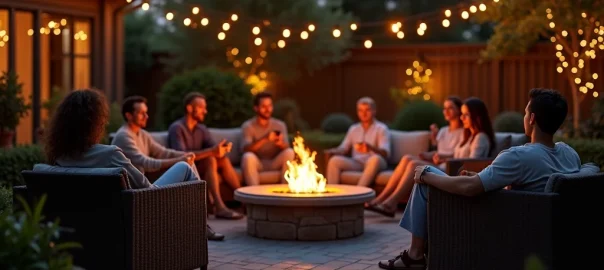
Did you know homes with well-designed outdoor living spaces can increase property value by up to 20%? While lush landscaping once dominated backyard makeovers, today hardscape features like fire pits, paver patios, and water elements are stealing the spotlight
Unlocking Your Outdoor Living Space: The Power of Hardscape Features
The secret to a truly outstanding outdoor living space isn’t just about plants and grass—it’s about integrating permanent hardscape features that shape, define, and enhance your yard. Hardscape design transforms ordinary yards into stylish, functional retreats where family and friends love to gather. Installing features like fire pits, paver patios, and water features not only adds aesthetic appeal but also makes your outdoor spaces more usable year-round. By combining various hardscape elements thoughtfully, you can create a cohesive environment that encourages outdoor activities, entertainment, and relaxation regardless of the season.
From boosting curb appeal to increasing your home’s market value, the benefits of smart hardscape design are substantial. Whether you dream of late-night stories around a fire pit or an elegant patio for alfresco dining, the right hardscape feature can redefine your whole outdoor experience. As you consider an upgrade, remember that hardscape features are long-lasting investments that bring lasting enjoyment—and with a little know-how, any homeowner can plan the perfect outdoor living space.
- Discover the transformative impact of hardscape features on outdoor living spaces
- Understand major hardscape elements: fire pits, patios, water features, outdoor kitchens, and more
- Learn how hardscape design enhances both curb appeal and functionality
- Explore real-world examples and expert tips for integrating hardscape features
- Get answers to essential questions about hardscape features and landscape design
“Well-designed hardscape features can turn an ordinary yard into an extraordinary outdoor living space.” – Landscape Design Expert
Defining Hardscape Features: What Every Homeowner Should Know
What are the features of hardscaping?
Hardscaping refers to the use of non-living, solid design elements within landscape design. These features are the backbone of any professionally designed outdoor space, providing both structure and multifunctionality. Core hardscape features include patios, walkways, driveways, fire pits, retaining walls, and water features such as fountains or ponds. While softscape focuses on plants and natural growth, hardscape features offer permanence—serving as the foundation for both aesthetic appeal and usability in your outdoor living space. With the right mix, hardscape elements can guide foot traffic, create zones for outdoor activities, and even prevent erosion on sloped properties.
Key Types of Hardscape Features for Every Outdoor Space
- Fire pits and outdoor fireplaces
- Paver patios and walkways
- Retaining walls
- Outdoor kitchens and dining areas
- Water features
| Hardscape Feature | Estimated Cost Range | Main Benefits | Maintenance Needs |
|---|---|---|---|
| Fire Pits | $700–$3,000 | Year-round gathering space, warm ambiance, versatile focal point | Occasional cleaning, ash removal, and check for safety |
| Paver Patios | $2,000–$7,000 | Durable surface, easy to customize, low maintenance | Sweeping, occasional sealing, weed removal |
| Retaining Walls | $3,000–$8,000 | Erosion control defines spaces and supports elevation | Monitor for shifting, repairs as needed |
| Outdoor Kitchens | $5,000–$15,000 | Functional outdoor cooking/dining, high-end appeal | Thorough seasonal cleaning protects appliances |
| Water Features | $1,500–$6,000 | Calming sounds increase property value, attract wildlife | Algae control, pump checks, debris removal |
As you plan your hardscape upgrades, remember that a truly stunning outdoor space is achieved by blending hardscape with thoughtful landscape design. For inspiration on how to harmonize these elements and unlock the full potential of your yard, explore these landscape design strategies that reveal your property’s hidden beauty.
Hardscape Design Principles for Enhanced Outdoor Living
Integrating Hardscape Design With Landscape Design Elements
Truly elevated outdoor living relies on integrating hardscape features with softscape elements—the balance of stone, wood, and living greenery. Hardscape design isn’t just about placing pavers or building a fire pit; it’s about creating a seamless flow between different zones of your yard. Experts recommend starting with a master plan that considers traffic patterns, focal points, and the natural flow of landscape design. For example, a paver walkway may lead guests from a patio dining area to a tranquil water feature, weaving through flower beds and planters for a cohesive aesthetic. This thoughtful approach ensures outdoor living spaces are not just beautiful but highly functional for daily activities.
Matching materials and colors is critical for visual harmony. Natural stone used in both a retaining wall and a patio creates a unified look, while repeating elements, such as geometric planters or stone edging, help tie the landscape together. Elevation changes, like terracing with retaining walls or adding steps, can define separate “rooms” in your outdoor space. Ultimately, successful hardscape design relies on understanding how outdoor living, entertaining, and relaxation intersect for your household.
Boosting Curb Appeal With Hardscape Features
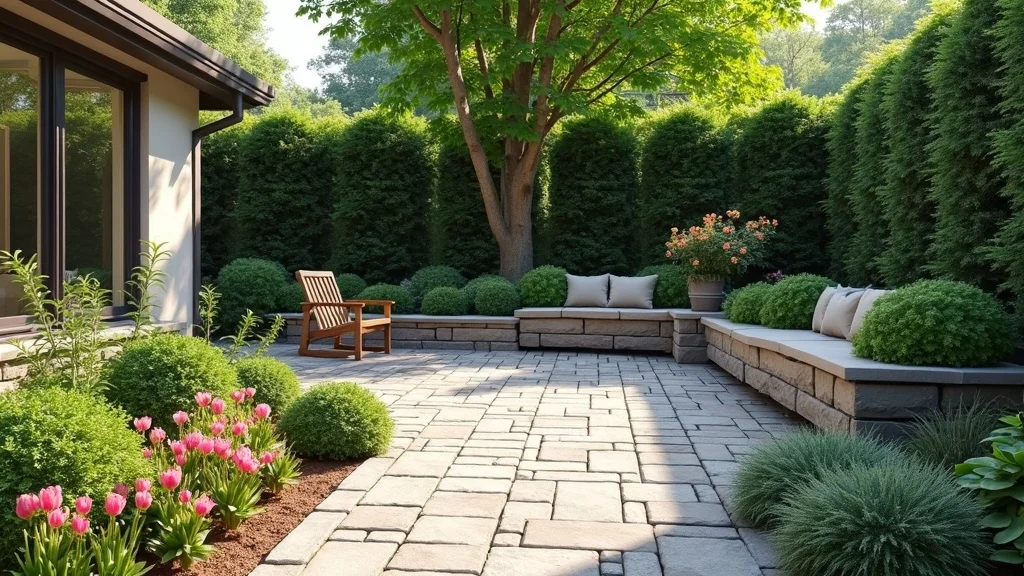
Hardscape features instantly boost curb appeal by introducing clean lines, attractive surfaces, and architectural interest to your property. Features like paver patios, retaining walls, and stone walkways create a welcoming first impression and set the tone for what’s inside your home. Maximizing curb appeal isn’t just about looks—these functional additions guide visitors, provide safe entryways, and highlight focal points like gardens or front doors. Thoughtful hardscape design, such as lighting pathways, framing an entryway with stone pillars, or showcasing a bubbling water feature, makes a strong visual statement that can increase your home’s value and market desirability.
When considering hardscape elements for curb appeal, durable materials like natural stone, concrete pavers, and decorative brick ensure longevity through seasons of outdoor activities. Strategically positioned hardscape features can also showcase the landscaping you’ve worked hard to maintain, drawing the eye towards lush greenery with complementary stonework or flower beds bordered by stylish retaining walls. These small design decisions add up to a front yard that truly stands out in the neighborhood, providing pride for homeowners and added value if you choose to sell.
Spotlight on Fire Pits: Creating a Cozy Outdoor Living Space
Choosing Between Fire Pits and Outdoor Fireplaces
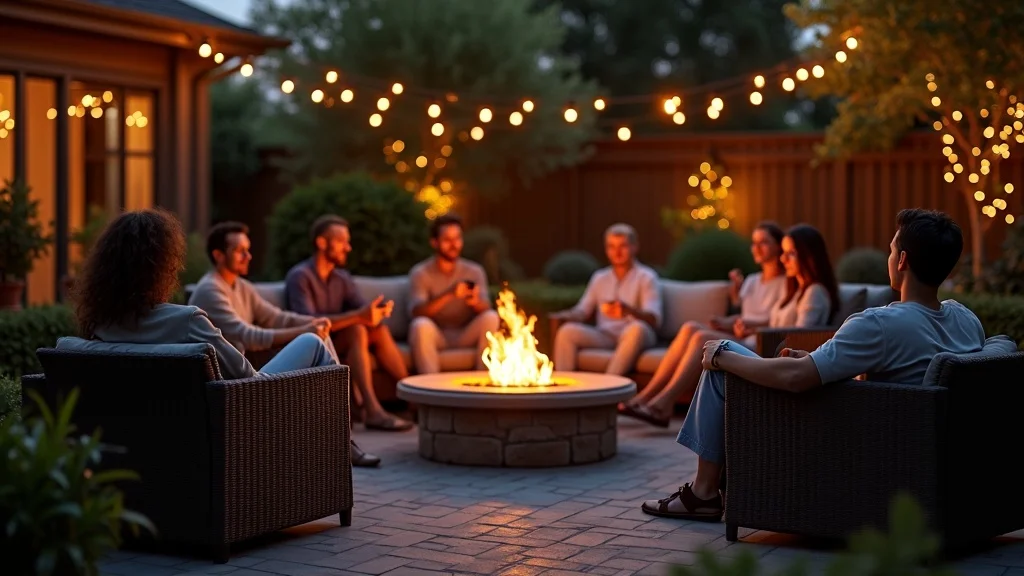
Few hardscape features invite connection like a fire pit or outdoor fireplace. Both options offer a warm gathering place and extend the use of your outdoor living space into the cooler months. A fire pit provides 360-degree seating, perfect for casual get-togethers, roasting marshmallows, and group activities. Fire pits are available in a variety of materials—such as natural stone, brick, or metal—and can be built in-ground or above ground. On the other hand, an outdoor fireplace creates a dramatic focal point, offering vertical presence and directional seating ideal for intimate conversations or formal entertaining. Fireplaces can help block wind, provide privacy, and are often chosen for upscale patio designs.
When selecting between a fire pit and an outdoor fireplace, consider your typical outdoor activities and how many people you’d like to accommodate. For informal gatherings and flexible seating, fire pits are a top pick. For more structured or elegant settings, a fireplace might be the perfect fit. Either way, these hardscape features instantly boost the ambience, making your yard the go-to spot for friends and family.
Outdoor Fire Safety and Best Practices
Before lighting your next outdoor fire, prioritize safety to protect your property and guests. First, position your fire pit or outdoor fireplace at least ten feet away from structures, fences, and overhanging branches. Always use non-combustible materials—such as stone or concrete—for construction, and keep a bucket of water or fire extinguisher nearby. Invest in a sturdy screen or grate for fire pits to contain sparks. Supervise children and pets at all times around open flames, and never leave a fire unattended, even for a moment. Finally, check local codes regarding open fires and consider investing in a gas-burning option for easier, cleaner use in suburban neighborhoods.
Walkthrough: Installing a Fire Pit – Step by Step Guide
Paver Patio Perfection: Hardscape Feature That Enhances Any Outdoor Space
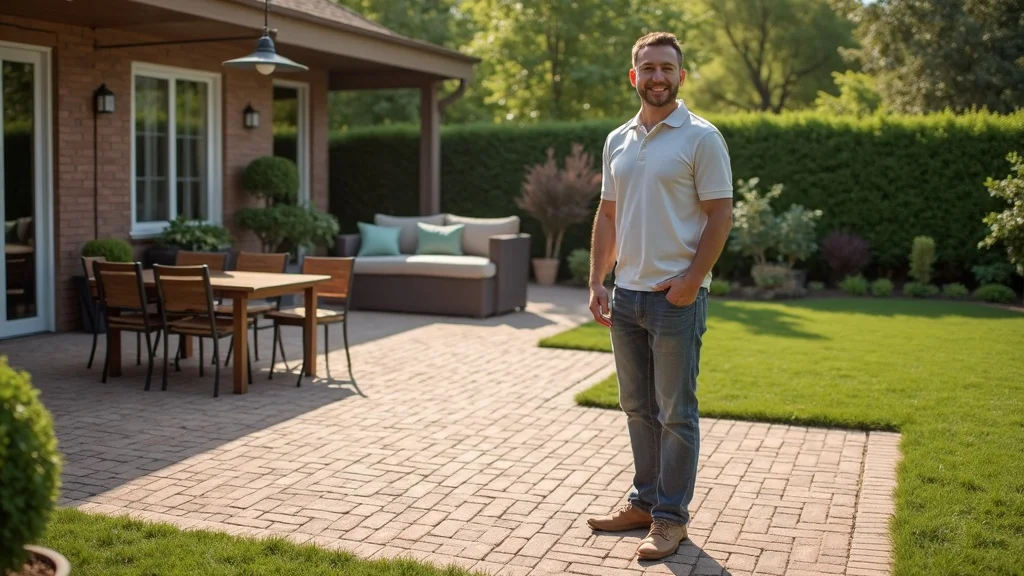
Types of Pavers and Their Impact on Outdoor Design Element
Patios are the cornerstone of modern outdoor living, and the choice of paver materials can make a dramatic impact on your patio design. Popular paver options include brick, concrete, and natural stone, each offering unique texture, color, and durability. Brick pavers give a classic, traditional appearance and are excellent for pathways and patios with a timeless feel. Concrete pavers are highly versatile; they come in a variety of shapes and patterns, making them suitable for both contemporary homes and more rustic settings. Natural stone pavers—such as flagstone or slate—project elegance and organic beauty, seamlessly connecting built elements to surrounding landscapes.
Well-designed paver patios improve functionality, create defined living space outdoors, and can be tailored to suit any architectural style. Pairing your home’s color palette with your paver choice ensures a cohesive look. Consider incorporating creative design elements such as borders, inlays, or contrasting colors to add a personalized touch. Investing in quality pavers means your patio will withstand years of gatherings, weather, and outdoor activities with minimal maintenance.
Transforming Your Outdoor Living With a Paver Patio
Adding a paver patio isn’t just about improving looks—it’s about expanding your outdoor living and entertaining options. A thoughtfully constructed patio extends your home’s usable space, inviting you and your guests into a comfortable, durable environment for dining, relaxing, or celebrating big moments. Paver patios are favored for their longevity, non-slip surface, and low maintenance requirements. Lay out your patio with zones for outdoor dining, grilling, or a fire pit to maximize its functionality throughout the year.
Homeowners appreciate that paver patios can accommodate everything from quiet breakfasts with the family to festive evenings under string lights. When installed properly, these hardscape features level uneven ground, direct foot traffic, and reduce muddy or worn spots in your lawn. As one of the most rewarding upgrades, a paver patio has the power to transform your outdoor space into a true extension of your living area.
Showcase: Before-and-After Paver Patio Transformations
Retaining Walls: Structural and Aesthetic Hardscape Features
The Role of Retaining Walls in Outdoor Living Spaces
Retaining walls do more than hold back soil—they define your landscape, offer unique design opportunities, and create flat, usable spaces on sloped lots. Strategically placed retaining walls can solve tough landscaping challenges by preventing soil erosion and managing elevation changes, making them an essential hardscape feature for many homes. Beyond their practical benefits, retaining walls can be designed as beautiful focal points using natural stone, concrete blocks, or brick to complement surrounding garden elements. Built-in planters, seating, or accent lighting further increase their versatility and appeal.
Homeowners often use retaining walls to frame flower beds, separate outdoor “rooms,” or create dramatic visual interest with tiers and varying heights. With careful hardscape design, even a steep or awkward yard can become a visually stunning and fully functional outdoor living space that supports gardening, entertaining, and play.
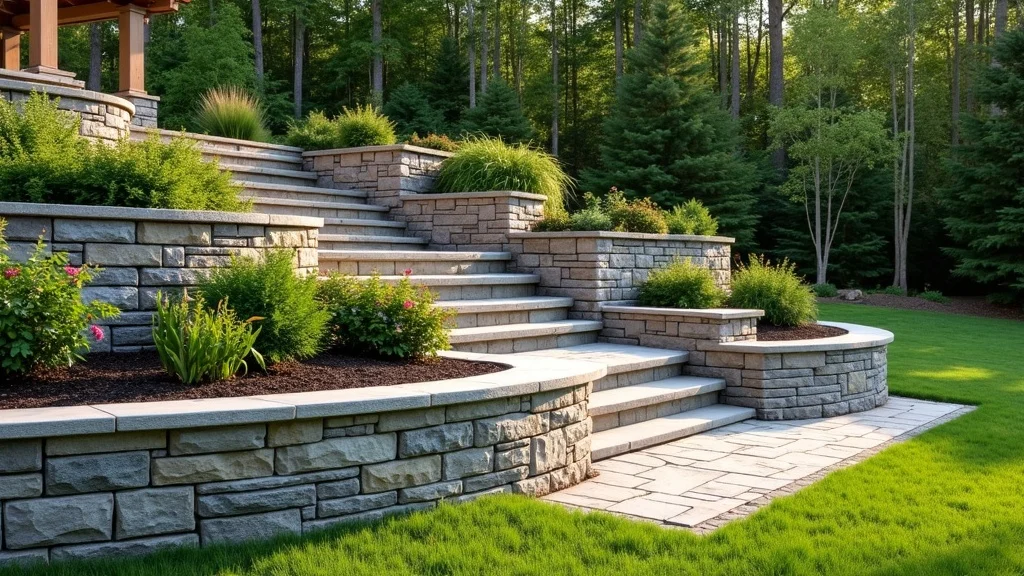
Popular Retaining Wall Materials: From Natural Stone to Concrete
Choosing the right material for your retaining wall impacts both style and long-term performance. Natural stone offers timeless beauty and blends seamlessly with most landscape designs, providing an organic look that adapts to curves and unique shapes. While more expensive than other options, stone walls are prized for their longevity and unmatched curb appeal. Concrete segmental blocks are popular for their affordability, uniformity, and strength, making them ideal for taller or structural retaining walls. Modern manufacturing offers blocks in various colors and finishes to mimic the look of stone or brick.
Other materials, such as brick and timber, are sometimes used but typically require more maintenance and have a shorter lifespan outdoors. When installing a retaining wall, work with a professional or research proper drainage solutions to prevent hydrostatic pressure and ensure your structure stands the test of time.
Adding Flair With Water Features and Outdoor Kitchens
Popular Water Features: Fountains, Ponds, and Waterfalls
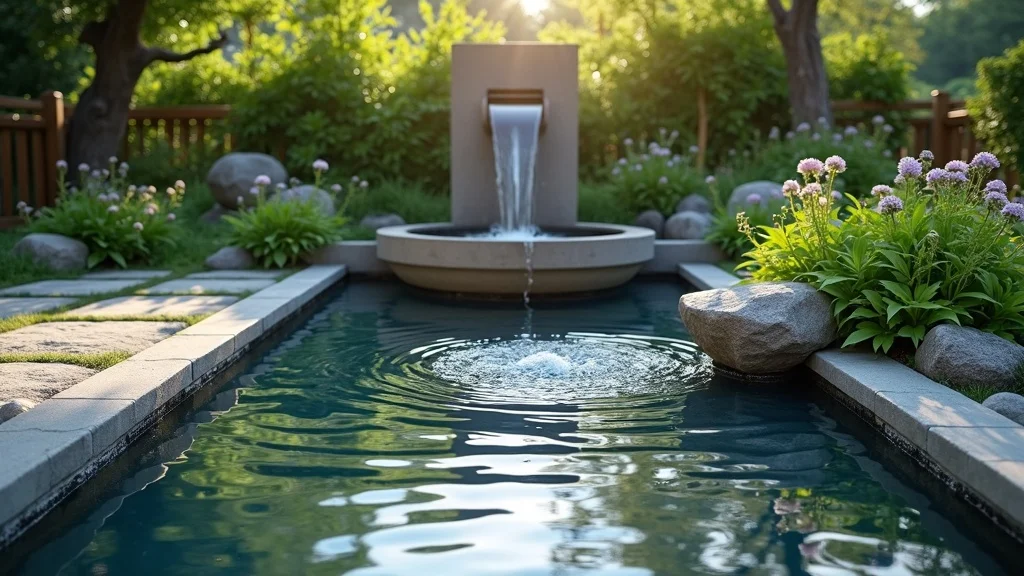
Water features turn ordinary outdoor spaces into tranquil retreats, adding movement, sound, and aesthetic appeal. The most common types include bubbling fountains, decorative ponds, and cascading waterfalls. Fountains serve as an inviting focal point, while koi ponds or wildlife ponds provide a living ecosystem for your backyard. Waterfalls, often integrated into retaining walls or rock gardens, offer a sense of drama and natural beauty. Water features encourage relaxation, mask street noise, and attract birds and pollinators, making them one of the most rewarding additions for outdoor living spaces.
Maintenance is an important consideration when adding water features—regularly check pumps, clean surfaces, and control algae buildup for long-term enjoyment. Matching the style and scale of your water feature to the rest of your hardscape design ensures harmony and impact in your outdoor living space.
Design Tips for Outdoor Kitchens and Dining Areas
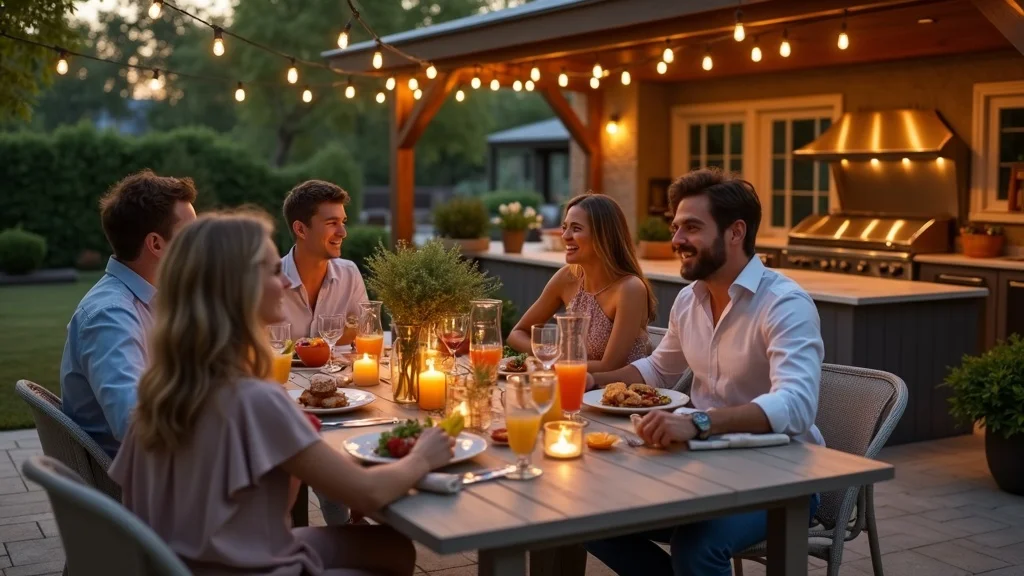
Outdoor kitchens are the pinnacle of at-home entertaining, providing a fully equipped space for cooking, dining, and gathering with family and friends. When designing an outdoor kitchen, focus on layout and flow. Place basic components like grills, prep counters, and storage for ease of use. Incorporate durable materials that withstand the elements such as stone countertops and stainless steel appliances. For added comfort, include features like shade structures, lighting, and heating elements so you can enjoy meals outside from spring through fall.
To maximize enjoyment, set up your outdoor kitchen adjacent to your dining or lounge area, and consider adding hardscape elements like a paver patio or built-in seating. Personalize your design with a pizza oven, bar top, or planters filled with fresh herbs. Whether you’re hosting a big celebration or a simple weeknight dinner, an outdoor kitchen adds lasting value and function to your home.
What You Need to Know Before Starting Your Hardscape Design Project
Hardscape Planning: Budget, Material Selection, and Professional Help
Launching a hardscape design project begins with smart planning and clear goals. Start by determining a budget that covers materials, labor, and any unanticipated expenses. Research various materials, keeping in mind factors like climate durability, maintenance needs, and style preferences. While some projects—like small patios or basic fire pits—can be tackled DIY, complex builds (such as retaining walls or intricate water features) benefit from professional expertise. Qualified contractors can help with design, permitting, and correct installation, ensuring your investment lasts and meets local regulations.
Before breaking ground, review your landscape as a whole to blend new hardscape features with existing elements. Consider seasonal use, sun exposure, drainage, and accessibility for the best results. With the right design and planning, your new outdoor spaces will provide beauty and enjoyment for years to come.
Long-Term Maintenance for Hardscape Features
Hardscape features require regular care to maintain their appearance, functionality, and longevity. The most important maintenance tasks include routine cleaning, power washing surfaces, and sealing pavers or natural stone to protect against stains and weather damage. Periodically inspect patios and retaining walls for shifting, cracking, or settling, and repair as needed to prevent major problems.
- Regular cleaning and sealing
- Addressing settling or shifting
- Seasonal care for water and fire elements
For water features, keep water clear with pumps, filters, and occasional scrubbing to prevent algae growth. Fire pits and outdoor kitchens may require ash removal, safety checks, and deep cleaning at least once a season. Proper maintenance not only protects your hardscape investment but ensures your outdoor living space looks inviting year after year.
People Also Ask: Answering Common Hardscape Features Questions
What are the features of hardscaping?
Answer: Hardscaping includes permanent landscape structures such as patios, walkways, retaining walls, fire pits, outdoor kitchens, water features, and driveways. These elements enhance both functionality and aesthetics in outdoor living spaces.
What are hardscape features?
Answer: Hardscape features are the non-living architectural components of a landscape design—like stone patios, wooden decks, brick walkways, water features, and built-in seating areas. They are designed to provide structure and usability.
What is an example of a hardscape?
Answer: An example of a hardscape is a paver patio, which provides a functional and attractive area for outdoor dining and entertainment.
What are the 5 basic elements of landscaping?
Answer: The five basic elements of landscaping are line, form, color, texture, and scale. Hardscape features often emphasize form, texture, and line in the overall landscape design.
FAQs on Hardscape Features and Outdoor Living Space
- How do hardscape features improve property value?
Hardscape features like patios, walkways, and fire pits create lasting curb appeal and a defined outdoor living space, making your home more attractive to buyers and often increasing property value significantly. - Are hardscape designs suitable for small yards?
Yes—hardscape features can be tailored for any size yard. Clever use of space, vertical elements such as retaining walls, and multipurpose zones make even compact outdoor areas feel spacious and useful. - What is the difference between hardscape and softscape?
Hardscape refers to non-living landscape features (paths, walls, patios), while softscape includes living elements (plants, turf, flower beds). Both are essential for a complete and functional landscape design. - Can you DIY hardscape installations?
Some simple hardscape projects, like small patios or fire pits, can be DIY-friendly with careful planning and the right materials. Larger or structural projects (retaining walls, water features) are best completed with professional help.
Key Takeaways: Why Hardscape Features Matter
- Hardscape features significantly boost curb appeal and outdoor enjoyment
- A cohesive hardscape design blends function with style
- Planning and maintenance maximize the value of your investment
If you’re inspired to take your outdoor transformation even further, consider how seasonal care and ongoing maintenance can keep your new hardscape features looking their best year-round. Discover expert tips and essential tasks in this comprehensive guide to seasonal lawn care. By combining smart hardscape design with proactive lawn and landscape maintenance, you’ll ensure your outdoor space remains vibrant, healthy, and welcoming year-round. Take the next step toward a truly exceptional yard—your future self (and your guests) will thank you!
Ready to Transform Your Outdoor Space With Hardscape Features?
Looking to elevate your lawn care game? Scapes Unlimited is here to help transform your yard into a lush, green paradise. Whether you need expert advice or professional lawn care services, our team is ready to bring your vision to life. Reach out today and let us handle the hard work – so you can enjoy a pristine lawn year-round. Contact Scapes Unlimited now to get started!
For a comprehensive understanding of hardscape design and its benefits, consider exploring the article “What is Hardscape Design & How Does it Work?”, which delves into the integration of non-living elements like pathways, patios, and retaining walls to create structured and usable outdoor areas


