

Did you know that properly designed landscapes can increase property value by up to 20%? This startling fact highlights the invaluable role landscape plays in enhancing modern outdoor spaces. Continue reading to discover how landscape design transforms environments, providing functionality and aesthetic appeal.
Transform Your Space with Landscape Design
Landscape design is more than arranging plants and hardscapes. It’s about creating an harmonious outdoor space that offers aesthetic pleasure and functional value. With the main keyword, “landscape,” we dive deeper into the transformative potentials of landscape design.
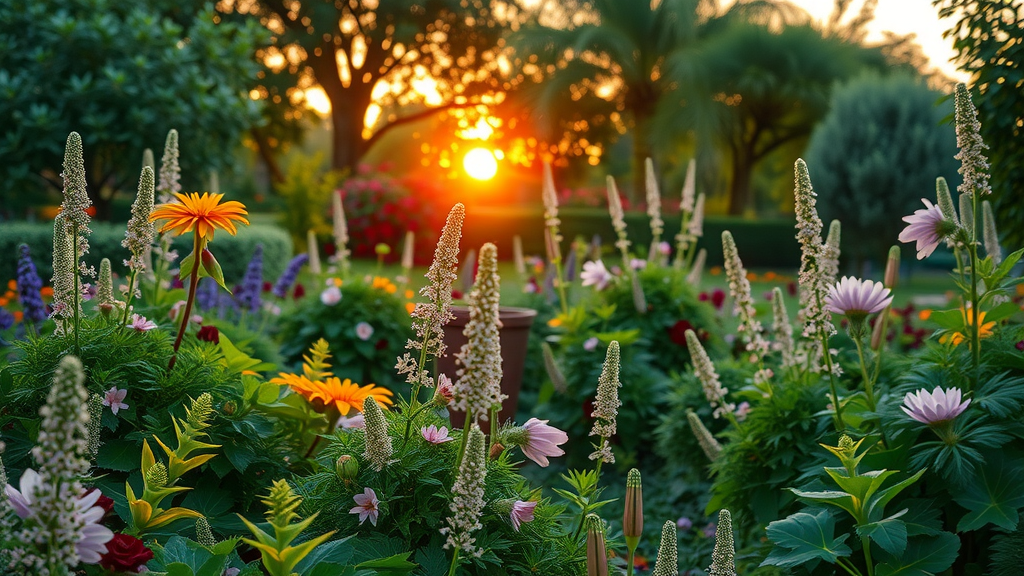
Imagine stepping into your front yard, a beautifully planned garden bed greeting you with vibrant colors and a variety of textures. The careful design of this landscape not only beautifies your home but also provides a calming sanctuary, separating your personal space from the outside hustle. With expert tips, you can harness these design principles to create your own ideal oasis.
The Importance of Landscape in Modern Living
Modern living increasingly demands a balance between work, life, and the natural world. Landscape design plays a significant role in this balance by integrating natural landscapes into everyday living. Whether it’s a small urban garden or expansive public parks, these spaces vary greatly in form and function but share the common aim of enhancing life quality.
Historic examples, like New York City’s Central Park, showcase how landscapes can greatly alter urban environments, providing necessary breaches of nature for city dwellers. Such public parks, conceived by brilliant minds like Frederick Law Olmsted, stand as testaments to the power of intentional design in reshaping human experiences.
Expert Tips for Unrivaled Landscape Design
Achieving a breathtaking landscape requires knowledge and precision. Here are expert tips to guide your landscape design journey:
-
Understand Your Space:
Assess the dimensions, natural light, and soil quality of your outdoor space to create a design that capitalizes on its assets. -
Embrace Diversity:
Incorporate a variety of plants and materials to add texture and depth, creating a more dynamic and visually interesting environment. -
Sustainability Focus:
Opt for sustainable landscape practices that reduce water usage and improve environmental health.
The Science Behind Effective Landscape Design
Delving into the science behind landscape design uncovers an intricate interplay of environmental principles and aesthetic pursuits. Recognizing this harmony can lead to the most effective and beautiful transformations of outdoor spaces.
Harnessing Landscape Art and Science
When art meets science, the outcomes can be spectacular. Landscape design is no exception. Combining scientific understanding of plant biology, soil chemistry, and environmental impact with artistic design principles yields a landscape that is both functional and beautiful.
This synthesis is evident in sustainable landscape projects across the globe that not only enhance the natural environment but also serve the communities they are part of. Through technological innovations and sustainable practices, modern designers create landscapes that respect and mimic natural processes.

The Role of Cultural Landscape in Design
Understanding cultural landscapes is crucial to quality landscape design. Cultural landscapes are shaped by historical and societal influences, impacting which elements will offer the most resonance in a given space.
These spaces tell stories of heritage and tradition, often finding their roots in ancient Roman gardens or other historical paradigms. Today, these influences continue to inspire design, offering a rich tapestry upon which modern landscapes are imagined and crafted. The blend of cultural elements into physical geography creates landscapes that are deeply personal and collectively inspirational.
Comparing Portrait and Landscape: A Design Perspective
Designing with a focus on either portrait or landscape orientation can vastly alter the viewer’s perspective and engagement. This choice often depends on the environment and intended use of the space.
Understanding Landscape Architecture and Design
Landscape architecture goes beyond mere decoration; it involves the careful integration of built and natural environments. Unlike simple gardening, this discipline requires a deep understanding of both artistic and scientific elements, uniquely positioning landscape architects as visionaries who transform outdoor spaces.
Whether it’s designing for extensive public parks or intimate personal gardens, landscape architects offer invaluable insights and knowledge pivotal for crafting sustainable and inspiring environments.
Exploring Landscape Architect Contributions
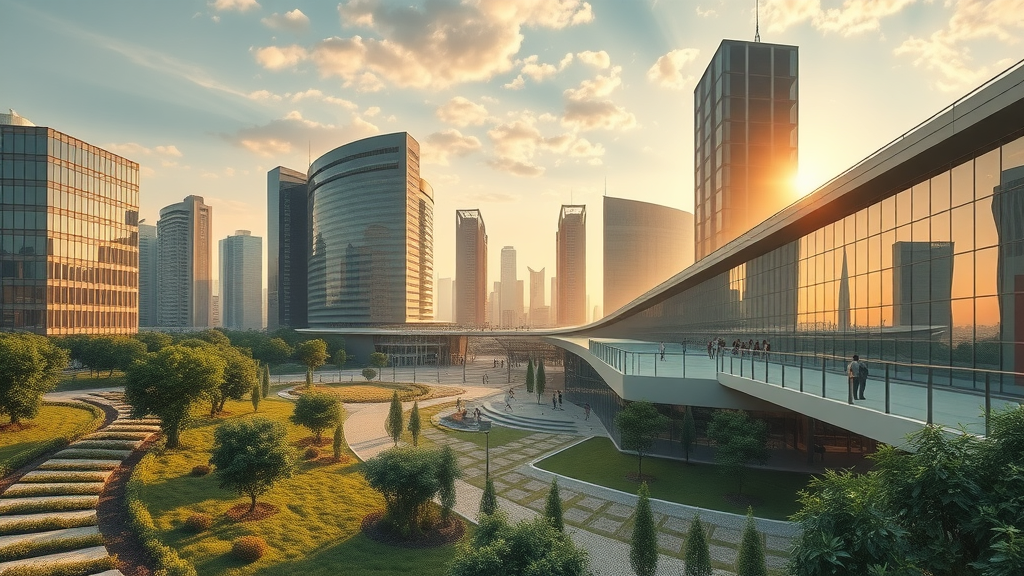
Landscape architects make significant contributions to urban and rural spaces. By applying their expertise, they design solutions that promote ecological health, cultural identity, and social interaction.
Their work extends beyond creating beautiful outdoor spaces; it involves strategic planning that considers environmental sustainability, community needs, and historical contexts. These professionals shape the spaces where people live, work, and play, leaving lasting impacts on the quality of life and natural ecosystems.
The Many Facets of Landscape: Art, Painting, and More
The artistic interpretation of landscapes offers an enduring connection to nature through mediums such as landscape painting. This expression captures the essence of nature’s beauty, inviting viewers to experience serene environments through an artist’s lens.
A Dive into Landscape Paintings and Their Impact
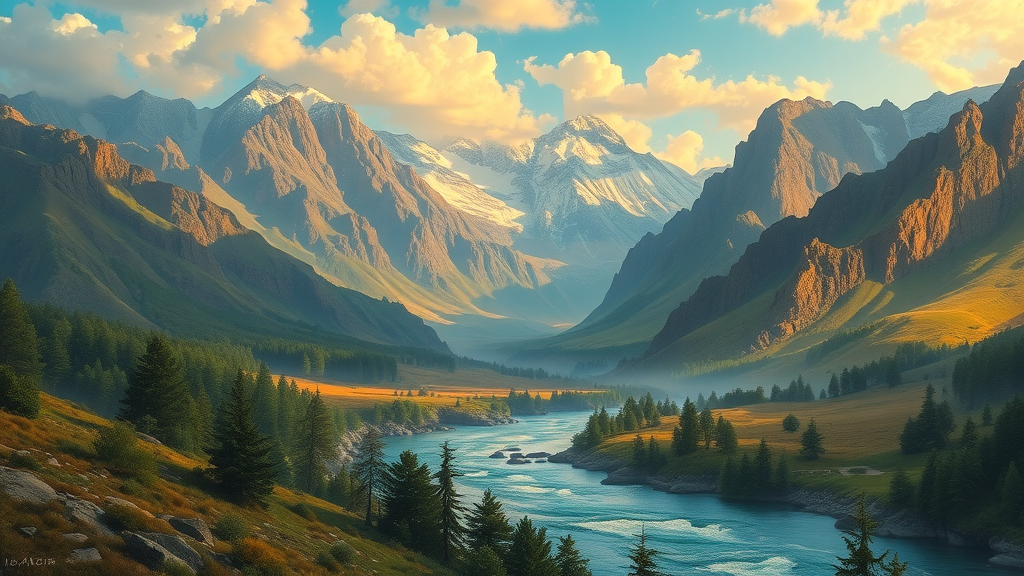
Landscape paintings have long held a revered place in the art world, offering a glimpse into the natural world through an artist’s interpretation. These paintings often emphasize the emotional and aesthetic aspects of landscapes, providing a form of escapism and contemplation.
From high fantasy depictions of mythical worlds to realistic portrayals of natural landscapes, landscape art offers diverse representations that inspire and evoke emotion. This cultural heritage continues to influence our perception and appreciation of the environment, enriching both art and landscape design practices.
People Also Ask: Defining and Understanding ‘Landscape’
When discussing landscapes, several questions often arise. Here are quick insights into some of the most common inquiries:
What is the meaning of landscape?
Landscape typically refers to visible features of an area of land, including natural elements like mountains, rivers, and plants. It encompasses the synthetic arrangement of these elements in design and artistic contexts.
What is considered a landscape?
A landscape is any outdoor space that combines natural and human-made elements cohesively. This can range from extensive public parks to intimate garden spaces, each providing a unique representation of design principles.
What is portrait vs landscape?
The terms portrait and landscape describe the orientation of an image or space. Portrait is vertical, emphasizing height, while landscape is horizontal, accentuating width. These orientations help define viewer experience and visual impact.
What are the 4 types of landscape?
Landscapes are often categorized into four types: mountain, coastal, riverine, and desert landscapes. Each type offers distinct characteristics and aesthetic possibilities, enriching our understanding and appreciation of varied environments.
Conclusion
Ready to transform your outdoor space? Contact our landscape design experts at
(770) 568-2206
to begin your journey today!


