

Picture this: It’s a scorching July afternoon, yet your neighbor’s lawn looks like an emerald carpet while yours struggles to stay green. The secret isn’t magic or luck—it’s choosing the best grass types for summer that thrive in high heat, full sun, and dry spells. This guide is your key to a lush, heat-proof lawn all summer long.
Unlocking the Best Grass Types for Summer – How to Choose for Full Sun and Heat
When seeking the best grass types for summer, it’s crucial to match your lawn grass with your region’s sunshine and heat demands. Many homeowners struggle through a hot summer, only to see their efforts dry out. But choosing grass types with proven heat and drought tolerance can make your lawn resilient—helping it stay green during extended dry spells and periods of intense sunlight.
Season grasses like Bermuda, Zoysia, and Centipede are built for full sun, thriving when temperatures rise and moisture is limited. These grass types develop a deep root system that seeks out water during high heat, reducing your stress and the need for constant lawn care. Understanding the growth habit and shade tolerance of each grass type will help you choose the right fit for your lawn grass—whether you’re dealing with heavy foot traffic, a mix of sun and shade, or a dry period. The goal: a lush, heat-proof yard that’s ready to handle whatever summer throws its way.
Proper mowing techniques are just as important as selecting the right grass type for summer resilience. If you want to maximize your lawn’s growth and health during the hottest months, consider reviewing these grass cutting tips that will boost lawn growth for practical advice on mowing height, frequency, and best practices tailored to summer conditions.
Why Summer Demands the Right Grass Type
The demands of the summer months go far beyond simply watering more; they require the right grass seed and type to thrive in full sun, withstand a dry spell, and keep that green color even as the mercury rises. Most cool season grasses, like Kentucky Bluegrass and Perennial Ryegrass, naturally slow their growth or go dormant during summer’s high heat. In contrast, warm season grasses have adapted to flourish under bright sun and during drought tolerance challenges.
By starting with best grass types for summer, your lawn builds resilience from the roots up. These grasses develop a strong root system during the warm season, allowing them to pull water from deep beneath the surface—even during extended dry periods. This deep-rooting trait not only helps grass survive hot summer days but also means less frequent watering and easier overall lawn management.
Real-life Scenario: Lawns Tested by Summer Heat
Imagine a row of suburban lawns, each facing the full force of summer sunlight. While some yards wilt into a patchwork of brown and brittle blades, others shine bright and full. Homeowners pitching summer barbecues or playing outside with the kids quickly spot the difference: They’ve chosen grass types like Bermuda or Zoysia that are bred to handle repeated dry spells and heavy foot traffic. These heat-resistant varieties create an outdoor space that stays welcoming and vibrant, no matter how dry or hot the season.

What You’ll Learn: Best Grass Types for Summer
-
Key takeaways about summer lawn grass: understand why certain grass types outperform others during summer months.
-
The difference between warm and cool season grasses, plus which thrive in full sun and offer top drought tolerance.
-
How to select, plant, and maintain heat-resistant grass seed for optimal lawn health.
Understanding Lawn Grass: Warm Vs Cool Season Grass Types
Before planting, it’s essential to know the difference between warm season and cool season grasses. While all lawn grass needs water and proper lawn care, choosing wrongly can leave you battling brown patches during a hot summer or wasting water during extended drought.
Warm season grasses—think Bermuda, Zoysia, Centipede, and St. Augustine—thrive in full sun and high heat. Their growth habit is rapid throughout late spring to early fall, making them ideal for southern and transition zones. In contrast, cool season grasses like Kentucky Bluegrass, Fine Fescue, and Perennial Ryegrass prefer cooler temps, performing best in northern regions. These may go dormant during summer months, resulting in less vibrant lawns unless given ample care and water.
The Difference Between Season Grass and Season Grasses
The terms season grass and season grasses refer to groups of lawn grasses suited for either warm or cool weather. Warm season grasses are built for high heat and dry spells, while cool season grasses excel in climates with mild summers. Understanding your area’s climate zone will help you choose seed blends that ensure resilience, vibrant green color, and sustained growth rate throughout the lawn’s life cycle.
While one grass type may handle heavy sunlight and foot traffic, another might offer superior shade tolerance for yards with mature trees or mixed sunlight. Matching your grass type to your property’s micro-climate protects your investment—and saves countless hours spent battling lawn problems during dry periods.
How Climate Influences Best Grass Types for Summer
Your region’s climate is the key determinant in selecting the best grass types for summer. Areas with constant heat and low rainfall—like southern states—call for tough warm season varieties. In contrast, regions with milder summers and regular rainfall can support a broader mix, including some adaptable cool season grasses.
When choosing lawn grass for a hot summer, consider whether your yard receives full sun, partial shade, or a blend. Lawns exposed to all-day sunlight benefit most from deep-rooting warm season grasses; shaded lawns may require a mix that includes tall fescue or other species with more shade tolerance. Local soil conditions and ongoing lawn care routines will further influence the right grass seed for your yard’s unique needs.

Best Grass Types for Summer: Top Choices for Full Sun and Heat Tolerance
Now, let’s dive into the premier picks for anyone seeking a lawn that stays green and lush throughout the harshest summer months. These grass types have been tested by time (and homeowners) for their outstanding heat and drought tolerance, rapid growth rate, and reliable green color even in the driest spells.
Below are the superstar season grasses and their unique advantages, from handling full sun to recovering quickly after a dry period. Choose wisely, and your lawn will be the envy of every neighbor all summer long!
Bermuda Grass: The Ultimate Heat and Drought Tolerance
Bermuda grass stands out as the top choice for full sun lawns facing sweltering summer conditions. With an aggressive growth habit and deep root system, Bermuda grass maintains resilience in high heat and during the longest dry spells. Once established, this popular lawn grass can stay green with less water than many other types, making it highly prized for southern and transition zone yards.
Its blades are fine-textured and fast growing, meaning the grass recovers quickly from heavy foot traffic (perfect for families and pets enjoying summer fun outdoors). While Bermuda demands at least six hours of sun daily, its drought tolerance and heat tolerance make it a standout for summer months when other grasses may falter.
Bermuda Grass Seed: Pros, Cons, and Lawn Care Tips
Pros: Exceptional heat and drought resistance, quick to green up in spring, tolerates heavy foot traffic, and creates a dense, carpet-like look. Cons: Requires high sunlight, can be invasive in garden beds, and may need regular edging to control growth. Lawn care tips: Plant Bermuda grass seed during late spring when soil temperatures exceed 65°F. Water deeply but infrequently to promote a deep root system and mow regularly to maintain a resilient, thick turf that outcompetes weeds.
Zoysia Grass: The Resilient Summer Lawn Grass
Zoysia grass offers an ideal blend of heat tolerance, drought resistance, and moderate shade tolerance, making it a favorite among homeowners who want a high-performance lawn grass that adapts well throughout the summer. Zoysia develops a dense, cushiony carpet that withstands both dry period stress and the occasional shade cast by trees or fencing.
With a slower growth rate than Bermuda, Zoysia still boasts enough vigor to recover after extended drought or regular lawn use. Its soft, fine blades maintain their green color even when rainfall is scarce, though like all warm season grasses, it prefers at least several hours of full sun each day.
Heat Tolerance & Shade Tolerance of Zoysia
Zoysia offers an impressive balance, delivering remarkable heat and drought tolerance while also remaining one of the best warm season grasses for partial shade. It can stay green longer during dry spells and is less prone to disease in humid conditions. To maximize performance, select a suitable seed blend (or sod) that’s adapted for your lawn’s light exposure and soil type.

Centipede Grass: Low-Maintenance Lawn Grass for Summer
Centipede grass is beloved for its easy-care nature and suitability for summer lawns requiring less fuss. Naturally adapted for sandy, acidic soils common in the southeast, Centipede grass establishes slowly but rewards patient homeowners with a low-maintenance lawn grass that shines even under full sun and scarce water.
Centipede’s slow growth habit means less mowing and weed invasion. While it may not recover as quickly as Bermuda from heavy foot traffic, its moderate foot traffic tolerance and drought tolerance provide steady coverage during the hottest summer months. If you prefer a “set it and forget it” approach, this is a season grass worth considering.
Drought Tolerance & Soil Requirements for Centipede Grass
With its shallow root system, Centipede grass manages moderate drought but benefits from occasional deep watering during prolonged dry spells. It performs best in sandy or acidic soils—avoid over-fertilizing, as Centipede is sensitive to excess nutrients. For success, ensure your yard gets at least six hours of direct sunlight and start with quality grass seed or plugs chosen for your region.
St. Augustine Grass: Shade Friendly Grass Type for Warm Climates
St. Augustine grass remains a staple for southern lawns, especially those juggling both shade and sunlight throughout the day. It produces broad, coarse blades that keep a rich green color well into late summer, even when rainfall patterns change or temperatures reach triple digits.
What sets St. Augustine apart is its shade tolerance: it’s less demanding on sunshine compared to Bermuda or Centipede, thriving in lawns beneath trees or beside buildings. For southern homeowners balancing sun and shade, St. Augustine is a reliable choice for enduring dry periods and staying lush.
St. Augustine Grass Seed Blend & Lawn Care Essentials
St. Augustine is rarely grown from pure grass seed; most lawns start from sod or plugs because of lower germination rates. When shopping, look for regionally adapted seed blend plugs. Keep the lawn moist during establishment, then mow high to encourage a deep root system. Avoid heavy foot traffic while roots establish to prevent stress during summer’s hottest months.

Tall Fescue: The Adaptable Season Grass with High Heat Survival
Tall Fescue offers unrivaled flexibility for transition zones, performing well as a cool season grass that also survives high heat when managed wisely. Its unique deep root system penetrates further into the soil than most cool season grasses, allowing Tall Fescue lawns to pull moisture during dry periods—maintaining green color where others go brown.
The tall, upright blades tolerate moderate foot traffic and can handle both full sun and partial shade, making this grass type a top pick for mixed or unpredictable climates. Planting Tall Fescue as part of a seed blend (often with Kentucky Bluegrass or Perennial Ryegrass) can improve overall drought tolerance and recovery through heat waves.
Tall Fescue vs. Kentucky Bluegrass & Perennial Ryegrass
While Kentucky Bluegrass delivers a classic look and rapid repair capability, it typically falters under high heat and dry periods unless irrigated. Perennial Ryegrass establishes quickly, adding resilience to worn areas but requires consistent water during summer. In contrast, Tall Fescue’s deep roots provide greater heat tolerance and make it more forgiving during a hot summer or extended dry spell. For lawns facing the unpredictable—the perfect storm of sun, heat, and occasional shade—a seed mix featuring Tall Fescue is a winning formula.
Comparing Warm Season Grasses: Table of Best Grass Types for Summer
|
Comparison of Popular Lawn Grass Types for Summer Heat |
|||||
|
Grass Type |
Heat Tolerance |
Drought Tolerance |
Shade Tolerance |
Maintenance |
Ideal Region |
|---|---|---|---|---|---|
|
Bermuda Grass |
High |
High |
Low |
Medium |
Southern, Transition Zone |
|
Zoysia Grass |
High |
Medium-High |
Medium |
Medium |
Southern, Transition Zone |
|
Centipede Grass |
Medium |
Medium |
Low |
Low |
Southeast US |
|
St. Augustine Grass |
High |
Medium |
High |
Medium |
Southern, Coastal Areas |
|
Tall Fescue |
Medium-High |
High |
Medium-High |
Medium |
Transition Zone, Northern Edge |
Lawn Care Tips for Best Grass Types for Summer
Achieving a healthy, durable lawn during the summer months requires more than choosing the right grass seed—it takes proactive, seasonal lawn care tailored to your specific grass type. Paying close attention to soil preparation, mowing, watering schedules, and signs of stress will keep your lawn green and inviting all season.
Below you’ll find essential tips on selecting the right seed blend, establishing new lawns, routine care strategies during hot summer spells, and how to spot when your season grasses need extra attention.
Grass Seed Selection & Establishment
Start with a reputable grass seed supplier or nursery, then choose a blend tailored for your climate and yard conditions. For new lawns, prep the soil by aerating and ensuring it drains well—healthy root systems begin with deep, loose soil. Apply seed evenly, cover lightly with soil or mulch, and keep moist until seedlings are established. For existing lawns, overseed with heat-tolerant varieties during late spring or early summer for a thick, weed-resistant turf.
Remember, patience is key: Even the best grass types for summer take a few weeks to fully establish, especially in a hot summer or during an unexpected dry period. Consistent water during early growth encourages deeper roots, setting the stage for a resilient, lush lawn.

Summer Lawn Care Routines for Heat and Drought
Increase your mowing height as temperatures climb—taller blades shade the soil, reduce evaporation, and protect roots during dry spells. Water less frequently but more deeply: This forces roots farther down, making lawn grass more drought-resistant. Avoid fertilizing during peak summer heat, as excess nutrients may stress the lawn further.
Consistently check for compacted soil, especially in high-traffic zones. Aerate if necessary to allow water and air to penetrate. Mulch left from grass clippings helps retain soil moisture and acts as a natural fertilizer. Finally, inspect for pests and disease after every storm or dry spell. Early detection is the best defense for lawn care all summer long.
Signs Your Season Grasses Need Additional Care
Even the toughest warm season grasses will show signs when stressed: dulling or brown patches, slow growth rate, or wilting during the day. These warning signals mean it’s time to increase watering frequency (while avoiding overwatering) or address soil issues such as compaction or nutrient deficiencies. Pay special attention to shaded zones, which may harbor mold or insect problems.
Don’t ignore small brown spots—left untreated, they can spread rapidly in high heat, especially on lawns with shallow root or poor soil. Consider targeted overseeding or patch repair for persistent problem areas, making sure your repair blend matches your lawn’s main grass type for a seamless look.

Expert Quotes: Choosing the Best Grass Types for Summer Lawns
“For a vibrant lawn that survives summer’s worst heat, always select grass types adapted to your local climate. Proper soil prep, deep-root watering, and choosing the correct seed blend work together for lasting green, even during a dry spell.” — Turfgrass Specialist, Local Extension Office
Video Guide: Choosing and Caring for the Best Summer Lawn Grass
Watch our quick 2-minute explainer on choosing and maintaining the best grass types for summer! See real lawns, compare turf up close, and learn practical care tips—no sound required.
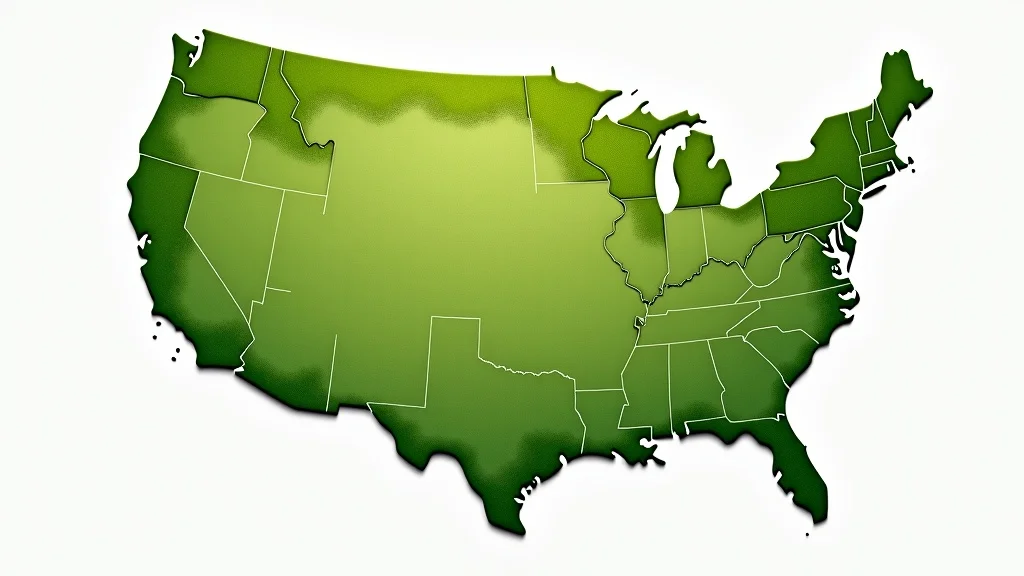
Best Grass Types for Summer: Lists by Region
-
Southern U.S.: Bermuda, Zoysia, St. Augustine, Centipede
-
Northern U.S.: Tall Fescue, Kentucky Bluegrass (with heat-tolerant blend), Fine Fescue
-
Transition Zone (Mid U.S.): Tall Fescue, Zoysia, Bermuda, seed blends adapted to variable climates
FAQs on Best Grass Types for Summer and Lawn Grass Care
What grass grows best in summer?
Answer: Insights on grass types that thrive in high summer temperatures.
The best grass types for summer are typically warm season varieties such as Bermuda grass, Zoysia grass, Centipede grass, and St. Augustine grass. These types have proven heat tolerance and drought resistance, thriving in full sun and staying green during hot, dry spells. For transition regions, tall fescue is a great option due to its deep root system and ability to survive both heat and dry periods.

What grass seed is safe for laminitis?
Answer: Recommendations for pet/equine-safe grass seed blends.
For horse owners and those concerned about pet safety, select a grass seed blend low in non-structural carbohydrates, such as a mix of tall fescue or native prairie grasses. Avoid grass types like ryegrass and certain fescues that may contribute to elevated sugar levels in pasture. Always consult your veterinarian before reseeding if pets or livestock graze regularly.
What eats grass at night?
Answer: Common lawn pests affecting lawn grass during summer nights.
Several pests feed on lawn grass after dusk, including white grubs, armyworms, sod webworms, and cutworms. These nocturnal feeders can cause noticeable patchy or brown areas if not managed promptly. Regular nighttime inspection and using eco-friendly pest controls help protect even the best grass types for summer.
What is poor man’s grass?
Answer: Explanation of common season grasses referred to as poor man’s grass and their suitability for summer.
“Poor man’s grass” often refers to Centipede grass in the southern U. S. , valued for its low maintenance needs and ability to grow in poor soils. Its drought tolerance and moderate growth rate make it well-suited for homeowners seeking robust, budget-friendly lawns that require minimal input during hot and dry summer months.
Key Takeaways: Best Grass Types for Summer
-
Choose warm season grass types like Bermuda, Zoysia, Centipede, and St. Augustine for heat and drought performance.
-
Tall Fescue is an adaptable option for transition or northern regions facing variable summer heat.
-
Successful summer lawns begin with proper grass seed selection, soil prep, deeper watering, and routine lawn care.
-
Monitor regularly for signs of stress—address problem areas quickly for a consistently green, welcoming outdoor space.
Reach Out for Expert Advice on the Best Grass Types for Summer
For personalized recommendations and lawn care support, Call Us At (770) 568-2206.
Conclusion: Achieve a Thriving, Heat-Proof Lawn with the Best Grass Types for Summer
Select the right lawn grass, follow expert lawn care routines, and enjoy a lush, heat-proof yard even on the hottest summer days!
If you’re inspired to take your lawn to the next level, why not expand your vision beyond just grass selection? Explore a world of creative possibilities with these landscaping design ideas to elevate your yard. Discover how thoughtful design, plant choices, and layout can complement your summer-ready lawn, creating an outdoor space that’s both beautiful and functional. Whether you’re dreaming of a backyard retreat or a show-stopping front yard, the right landscaping can transform your property into a true oasis. Take the next step and unlock the full potential of your outdoor living area!
Selecting the right grass type is crucial for maintaining a lush, green lawn during the summer months. Warm-season grasses, such as Bermudagrass, Zoysia, and St. Augustine, thrive in higher temperatures and exhibit excellent heat and drought tolerance. For instance, Bermudagrass is renowned for its resilience in full sun and high heat conditions, making it a popular choice in southern climates. (pennington.com) Similarly, Zoysia grass offers a dense turf that withstands heat and moderate shade, ideal for regions with hot summers and mild winters. (whatgrassisthis.com) Understanding the specific characteristics and maintenance requirements of these grass types will help you choose the best option for a heat-proof lawn.


