
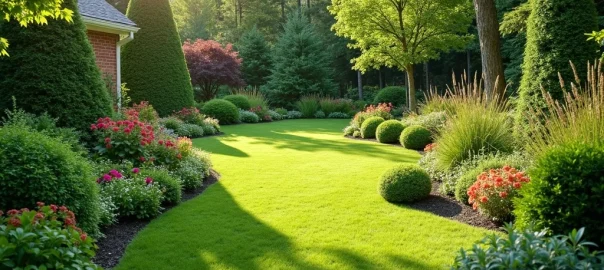
Did you know smart landscaping plants can boost property value by up to 12%? This simple upgrade transforms curb appeal, enriches your outdoor living space, and turns basic yards into vibrant retreats—without breaking the bank
Whether you want a lush, low-maintenance backdrop or a blooming garden that pops through the seasons, choosing the right landscaping plants makes all the difference. This beginner-friendly guide walks you through proven winners for every yard and answers the most common outdoor plant questions, so you can create the garden you’ve always dreamed of with total confidence.
Transform Your Yard: Landscaping Plants That Make the Biggest Impact
Choosing landscaping plants is about more than just filling garden beds—it’s a chance to shape your entire home’s first impression. The right outdoor plants, from robust evergreen shrubs to ornamental grasses that sway in the breeze, add texture, color, and depth. And for those who value both beauty and easy care, many of these maintenance plants thrive with minimal effort. Whether you have full sun, part shade, or even challenging soil spots, the correct plant selections are out there to create a year-round showpiece. Start by focusing on your yard’s sunny and shady zones, decide where you need height versus ground cover, and pick a mix of foundation plants (like shrubs) plus dazzling flowering perennials for instant curb appeal.
Ready for a transformation? Let’s explore the top plant types that deliver the most dramatic results

Startling Fact: The Power of Landscaping Plants in Boosting Curb Appeal
“Well-chosen landscaping plants not only enhance aesthetics but can increase property value by up to 12%.” – National Association of Realtors
What You’ll Learn About Landscaping Plants
- The best landscaping plants for vibrant gardens
- How to select low-maintenance and ornamental plants
- The rule of 3 in landscaping and how to apply it
- Tips for seasonal and year-round curb appeal
- Answers to common questions about outdoor plants
Essential Landscaping Plants Every Garden Needs
Building a successful garden starts with the right landscaping plants. The foundation of any outdoor space includes a blend of year-round greenery, seasonal color, and dynamic form. Here’s a breakdown of must-have plant categories that ensure lasting vibrancy and effortless curb appeal:
- Evergreen shrubs: Reliable structure year-round, perfect for borders and privacy.
- Flowering perennials: Return annually with bold blooms in various seasons.
- Ornamental grasses: Add texture, movement, and resilience in sun to part shade.
- Topiary and foundation plants: Offer formal lines or whimsical shapes for your garden’s skeleton.
Evergreen shrubs, such as boxwoods and hollies, are full-sun champions that anchor landscapes year-round. Flowering perennials like coneflowers and lavender provide bursts of purple, pink, and white flowers, blooming from early spring through late summer. Ornamental grass varieties—including fountain grass and blue fescue—are drought-tolerant and resist deer, giving lively movement to breezy gardens. Topiary options like junipers double as low-maintenance outdoor plants and unique focal points. By combining these groups, your garden offers continuous interest and low maintenance.
Comparison of Popular Landscaping Plants: Features, Maintenance Levels, and Visual Appeal
| Plant Type | Main Features | Maintenance Level | Seasons of Interest | Visual Appeal |
|---|---|---|---|---|
| Boxwood (Evergreen Shrub) | Year-round green, dense growth habit | Low | All year | Formal, classic, foundation plant |
| Lavender (Perennial) | Purple flowers, fragrant, resists deer | Low | Late spring – early summer | Colorful, aromatic, attracts pollinators |
| Daylily (Perennial) | Long bloom time, sun to part sun | Very Low | Early summer – fall | Bountiful blooms, easy care |
| Maiden Grass (Ornamental Grass) | Graceful, swaying plumes, drought tolerant | Low | Late summer – fall | Soft movement, texture, fall color |
| Hosta (Shade Perennial) | Large leaves, shade to part shade, white/purple flowers | Low | Spring – early fall | Lush foliage, layered interest |
As you consider which plants will thrive in your landscape, it’s also helpful to think about how your choices can support your garden’s health year-round. For a deeper dive into seasonal strategies that keep your outdoor spaces looking their best, explore these essential seasonal lawn care tips that complement your plant selections and ensure lasting curb appeal.
Low Maintenance Landscaping Plants for Effortless Outdoor Beauty
If you’re seeking gardens that thrive on their own, low-maintenance landscaping plants are the answer. These proven winners require minimal watering and care—perfect for new homeowners or anyone with a busy lifestyle. Choosing low-maintenance outdoor plants like lavender, succulents, and ornamental grass not only reduces upkeep but also ensures ongoing curb appeal. Many of these plants excel in full sun or part sun and are often drought-tolerant, saving you time, water, and stress during hot months. They adapt to diverse garden conditions, from sun to light shade, and help create a lush look throughout the year.
Maintenance plants such as hostas and succulents add variety with vibrant leaf shapes and color, even in shaded spots. Daylilies are outstanding for sun to part sun locations, offering a profusion of blooms from early spring through late summer. Try grouping maintenance outdoor plants for maximum effect, or mix them with foundation plants to design a garden that looks professional but feels effortless. The secret is picking plant varieties labeled as “proven winners,” bred for both beauty and reliability in your climate. Read on for a list of the best low-maintenance picks for any landscape.

Top Low Maintenance Plants to Consider
- Succulents
- Hostas
- Daylilies
- Lavender
- Ornamental grass
These favorites combine resilience with show-stopping looks. Succulents thrive in part sun to full sun and require minimal watering. Hostas, ideal for part shade to shade, boast lush, variegated leaves and charming purple or white flowers. Daylilies deliver spectacular color from early summer onward, are drought-tolerant, and adapt to full sun or light shade. Hardy lavender adds fragrance, purple blooms, and resists deer—perfect by entrances or walkways. Ornamental grasses handle varying soil and light, sway beautifully in the breeze, and need only occasional trimming. Mix these low-maintenance outdoor plants for a landscape that remains appealing without extra chores.
“Low maintenance plants turn garden chores into simple pleasures. More beauty, less effort!”
Ornamental Grass and Decorative Options for Landscaping
Ornamental grass is a landscaping staple renowned for its dynamic silhouette and ability to thrive across part sun to full sun exposures. From classic fountain grass to hardy feather reed, these varieties introduce kinetic movement and natural separation between garden areas. Their fine blades and swaying plumes deliver contrast against broad-leaved outdoor plants or evergreen shrubs. Not only are these maintenance outdoor plants resilient and drought-tolerant, but they also require minimal feeding and pruning, making them a standout choice for busy gardeners and design enthusiasts alike. Their growth habit fills in quickly and lasts from late spring through snow, ensuring you enjoy interest in every season.
For decorative variety, blend ornamental grasses of different heights and hues alongside flowering perennials and foundation plants. Whether you choose metallic blue oat grass for a cool accent or the tan plumes of maiden grass in autumn, these proven winners complement every style, from formal to modern naturalistic. Use in borders, as soft screens, or in the middle of groupings for depth and flow. Explore the next section for the most popular ornamental grasses and how to incorporate them into low-maintenance garden designs.
Best Ornamental Grasses for Texture and Movement

For those who crave texture and a bit of drama in their landscaping plant mix, the right ornamental grasses stand out as essential. Fountain grass creates picture-perfect, airy tufts that shift with every breeze. Maiden grass produces tall plumes and is drought-tolerant, adding softness along walkways or fences. Blue fescue charms as a low-growing option ideal for borders and contrasts perfectly with broadleaf perennials. By varying grass height and color—pale tan, silvery blue, lush green—you achieve a dynamic, layered effect that evolves from spring through autumn. These ornamental grasses thrive in full sun to light shade, need little feeding, and offer unmatched movement and silhouette.
Try using three or five plants in sweeping waves or drifts along the edge of flower beds, or combine with evergreen shrubs for an appealing structure. These foundational elements are not only beautiful but also rank among the lowest-maintenance plants available, seamlessly blending style and simplicity for both new gardeners and long-time plant enthusiasts.
Ornamental Grasses in Low Maintenance Garden Design
Integrating ornamental grasses into low-maintenance outdoor landscapes is a modern, practical strategy for ongoing beauty. Their innate resistance to drought, pests, and diseases means fewer interventions for the homeowner. Once established, most ornamental grass species require only annual trimming in late winter or early spring to maintain optimal growth habit and appearance. Use ornamental grasses to unify mixed plantings: they soften bold colors, act as a gentle backdrop for spring bulbs or pink flowers, and provide winter interest when frosted. In high-traffic areas or challenging conditions (such as slopes), ornamental grasses provide erosion control and fill hard-to-plant spaces.
Popular choices like feather reed grass and switchgrass offer color changes across the seasons—greens in spring, golds in autumn. Pair these with foundation plantings or flowering perennials for a full, rich effect. Grasses are especially stunning when planted in odd-numbered groupings, respecting the “rule of 3,” which we’ll explore next.
Landscaping Plants for Seasonal Color and Interest
One secret to unforgettable curb appeal is ensuring your garden changes with the seasons. Carefully chosen landscaping plants deliver excitement from the first buds of early spring to the brilliant leaves of fall and even in the snow-covered months. Seasonally strategic planting stretches the visual excitement—think sunflower yellow in summer, vibrant asters in fall, and evergreen silhouettes in winter. This approach not only maximizes your yard’s beauty but also keeps maintenance easier, as proven winners and native selections are adapted to their peak times with less effort required.
Begin with perennials that bloom in succession, ensuring that from late spring to early fall, you always have color. Add in shrubs or small trees known for their fall foliage—think fiery maples or low-maintenance autumn ferns. Finally, use evergreen shrubs or grasses for shape and life when other plants sleep. No matter your regional climate, there’s an outdoor plant option for every month. The next subsections reveal the best picks for each season and give tips for layering lasting color.
Spring and Summer Blooming Outdoor Plants

For homeowners who want months of color, select outdoor plants that bloom in spring and summer. Tulips and daffodils burst forth in early spring, providing the first pops of white, pink, and yellow flowers. Sunflowers dominate with bold height and sun-to-full-sun resilience from early summer into fall, attracting pollinators and providing dramatic silhouettes. Lavender offers fragrant blossoms and purple flowers, is deer-resistant, and lasts from late spring through early summer. All of these maintenance plants adapt to full sun or part sun, and they pair effortlessly with ornamental grasses for a dynamic, ever-blooming landscape.
In part-shade spots, hostas and astilbe create a lush carpet of green and delicate blooms, while daylilies provide reliable color in both sun and part-shade gardens. Layering these proven winners ensures a continuously evolving outdoor plant display, delighting with shifting hues and textures throughout the warm months.
Best Outdoor Plants for Fall Color
As temperatures cool, celebrate the brilliance of fall with landscaping plants famed for their autumnal shades. Maples, burning bush, and oakleaf hydrangea bring rich reds, golds, and deep purples to the landscape. Ornamental grass varieties like switchgrass and flame grass adopt bronze and red highlights as the season shifts, providing both color and texture. Sedum—especially ‘Autumn Joy’—delivers stunning pink and bronze late-blooming flowers, drawing bees and butterflies as other perennials fade.
Autumn ferns and asters hold their own in part sun to part shade, offering reliable structure and sustained leaf color. Choosing these outdoor plants ensures your landscape shines even as other gardens wind down, keeping curb appeal strong and interest high until the first frost.
Winter-Resilient Maintenance Plants
Don’t let cold stop your garden’s charm—winter-resilient landscaping plants are designed to persist through snow and frost. Evergreens like boxwoods and hollies hold dense, glossy green leaves all winter, anchoring beds with shape and privacy. Ornamental grasses such as feather reed remain upright and decorative even when dusted with snow, while hellebores begin blooming in late winter, introducing rare off-season color and white flowers. These outdoor maintenance plants require little care beyond occasional watering, since most are adapted to withstand seasonal hardships. By incorporating a blend of winter-resilient and year-round outdoor plants, your garden never looks empty—no matter how the weather turns.
Pine, juniper, and heather are additional proven winners, thriving in sun to light shade and adapting to a variety of growth habits. They serve as backbone plants for a four-season landscape, providing continual form and interest for front or backyard settings
The Rule of 3 in Landscaping Plants: Achieving Visual Harmony
The “rule of 3” is a classic landscaping design principle that brings balance and a natural rhythm to any outdoor garden. Grouping landscaping plants in sets of three—or any odd number—creates visual harmony and prevents gardens from looking too symmetrical or artificial. This approach draws the eye smoothly across beds and borders, enhancing the flow and unity, whether using evergreens, flowering perennials, or ornamental grass. For homeowners, the rule of 3 is an easy trick that instantly makes any garden bed look professionally designed.
- Grouping techniques using the rule of 3
- Best plant types for odd-number arrangements
- Tips for layering landscaping plants

How do you apply this? Start by planting three matching outdoor plants (such as lavender or fountain grass) in a triangle or staggered row
How to Choose Landscaping Plants: Key Factors for Outdoor Success
Selecting landscaping plants isn’t simply about picking favorites—it’s about optimizing for climate, location, and ease of maintenance. Before shopping, assess your garden’s sun exposure: identify areas for full sun, part sun, light shade, or part shade to shade. Then consider soil type; sandy soils favor drought-tolerant options, while rich, loamy soils support lush perennials and foundation plantings. Next, research growth habits—choose compact species for small spaces and spreading types for filling larger areas. When mixing maintenance plants and ornamental grass, look for proven winners known for disease resistance and adaptability.
- Soil and light requirements
- Climate adaptability
- Growth habits and space planning
- Combining low-maintenance and ornamental varieties
Think beyond just flowers: aim for year-round color, textured foliage, and layered height. Opt for foundation shrubs that stay green all year, flowering perennials with a long bloom season, and ornamental grasses for persistent movement and autumn charm. For busy homeowners, focus on maintaining outdoor plants that match your climate’s rainfall and temperature ranges. Don’t be afraid to ask local nurseries for “proven winners” suited specifically to your area—they often outshine big box options in vigor and lifespan. Remember, combining low-maintenance varieties with ornamental plants means a stunning garden with maximum enjoyment and minimal work!
Best Practices for Maintaining Healthy Landscaping Plants
Establishing healthy landscaping plants is a snap when you follow a consistent care routine. First, new outdoor plants need steady watering—about once or twice per week, depending on rainfall—for the first growing season. Mature maintenance plants can handle longer stretches between drinks, especially if they’re drought-tolerant or suited to full sun. Feeding is simple: a balanced, slow-release fertilizer in early spring supports strong growth and flowering perennials. Mulch is your friend—two to three inches keeps roots cool, reduces weeds, and maintains moisture, whether you choose bark, compost, or gravel.
- Watering and feeding schedules
- Pruning tips for maintenance plants
- Pest and disease prevention
- Mulching and soil care
For robust growth habits, prune evergreens and shrubs lightly in late winter, remove spent perennials’ flowers regularly, and trim ornamental grasses in early spring. Monitor leaves for signs of pests or disease—early intervention is key, often solved with organic sprays or by improving air circulation. Native and proven winner varieties typically resist local pests, making maintenance lighter for busy homeowners. With these straightforward steps, your landscaping plants will reward you with lush, vibrant color and texture season after season.
Landscaping Plants Buying Guide: Choosing Nursery Quality vs Big Box Finds
When shopping for landscaping plants, the source matters. Local nurseries offer regionally adapted, nursery-quality plants with healthy roots and expert staff on site. These outdoor maintenance plant selections are typically hardier, exhibit better growth habits, and show less transplant shock than their mass-produced counterparts. Big box stores often stock a wide variety, but plant quality is inconsistent—roots may be overcrowded, and staff care is more limited. Always inspect for lush foliage, disease-free leaves, and visible labels describing sun and soil needs.
- What to look for when selecting outdoor plants
- Favorite sources for maintenance plants and ornamental grass

Shop nurseries for personalized advice—staff can help you select proven winners for full sun, part shade, or challenging locations. If you opt for big box, check plant tags carefully for climate suitability and return policies. Consider purchasing specialty ornamental grasses or rare foundation plants directly from local growers—they often have unique selections and guarantee zone compatibility. In every case, buying robust plants suited to your outdoor conditions ensures easier establishment and years of thriving beauty with less maintenance.
People Also Ask: Top Landscaping Plants Questions Answered
What plants are best for landscaping?
Answer: Discover versatile options like evergreens, flowering perennials, and ornamental grasses that thrive in various conditions and offer year-round interest.
What is the rule of 3 in landscaping?
Answer: The rule of 3 is a design principle where plants are arranged in odd numbers to create natural-looking groupings and balance, enhancing visual appeal.
What are the best low-maintenance plants?
Answer: Top picks include lavender, succulents, daylilies, hostas, ornamental grass, and native plants adapted to your region.
What are low-maintenance outdoor plants for fall?
Answer: Ornamental grasses, sedum, asters, and autumn ferns excel as low-maintenance outdoor plants for fall with vivid color and minimal effort.
Frequently Asked Questions: Landscaping Plants Edition
- How often should I water new landscaping plants?
New landscaping plants generally require watering once or twice weekly, especially during their first season, then less frequently as roots establish. Adjust based on rainfall and weather conditions. - Are native plants better for beginners?
Yes! Native maintenance plants are well-suited to your local climate, need less attention, and typically resist local pests—making them a top choice for easy, beautiful gardens. - What’s the best mulch for maintenance plants?
Organic mulches like shredded bark, compost, or pine needles help retain moisture and nourish the soil, making them the top choice for most maintenance outdoor plants.
Key Takeaways: Landscaping Plants for Effortless Outdoor Appeal
- Landscaping plants can be both beautiful and low-maintenance.
- Ornamental grass adds year-round texture.
- Choose plants based on climate and garden conditions.
- Apply the rule of 3 for design harmony.
If you’re inspired to create a vibrant, low-maintenance garden, remember that the journey doesn’t end with plant selection. The most stunning landscapes are supported by thoughtful, year-round care that adapts to each season’s unique demands. For expert guidance on what your lawn and garden need throughout the year—from spring revitalization to winter preparation—discover the comprehensive advice in our seasonal lawn care guide. Elevate your outdoor space with strategies that go beyond planting, and unlock the full potential of your landscape with every change in the weather.
Ready to Invest in Landscaping Plants?
Looking to elevate your lawn care game? Scapes Unlimited is here to help transform your yard into a lush, green paradise. Whether you need expert advice or professional lawn care services, our team is ready to bring your vision to life. Reach out today and let us handle the hard work – so you can enjoy a pristine lawn year-round. Contact Scapes Unlimited now to get started!
To further enhance your understanding of landscaping plants and their benefits, consider exploring the following resources:
-
“30 Low-Maintenance Plants for Easy Landscaping”: This HGTV article provides a comprehensive list of plants that require minimal upkeep, making them ideal for effortless garden maintenance. (hgtv.com)
-
“How to Choose Landscaping Plants”: HGTV offers guidance on selecting the right plants for your landscape, considering factors like hardiness zones, light requirements, and soil conditions. (hgtv.com)
These resources will equip you with valuable insights to create a vibrant and low-maintenance garden tailored to your specific needs.


