
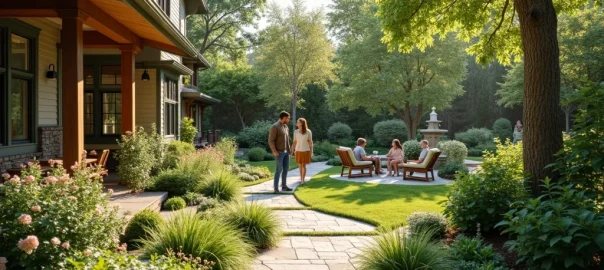
Did you know that landscape architecture is responsible for transforming not only world-famous parks and public gardens but also the comfort and value of your backyard—sometimes adding up to 15% to a home’s resale price? As curiosity around creating beautiful and functional outdoor spaces grows, it’s surprising how many homeowners overlook the hidden influence of landscape architects
Landscape Architecture: Surprising Facts That Will Change How You View Your Outdoor Spaces
Most people think of landscape architecture as simply “planting pretty gardens,” but the real impact goes much deeper. Landscape architects are the creative force shaping a wide range of outdoor spaces—from iconic city plazas to quiet suburban backyards. They blend regional planning, environmental science, and design studio expertise to produce outdoor environments that deliver social, environmental, and financial benefits. In the United States, these professionals are also champions of public safety and sustainability—envisioning parks that keep cities cooler, rain gardens that combat flooding, and green spaces that encourage healthy living. When you hire a landscape architect, you’re investing in beauty, long-term value, and climate-smart design that can redefine your relationship with nature.
In this guide, you’ll discover why landscape architecture is far more involved—and more valuable—than you might imagine. From the benefits to homeowners, to the detailed process and educational pathways, we’ll cover how landscape architects make your outdoor spaces safer, greener, and more enjoyable. Plus, you’ll learn how Scapes Unlimited makes the entire journey easy and rewarding for you.
- What You’ll Learn in This Guide
- – Hidden roles of landscape architecture
- – Benefits of hiring a landscape architect for homeowners
- – Understanding the landscape architecture process
- – Career and education insights on landscape architecture
- – Frequently asked questions about landscape architecture
The Hidden Value of Landscape Architecture for Homeowners
More than just pretty gardens, landscape architecture integrates sustainability, wellbeing, and design to improve quality of life for everyone who steps outdoors.
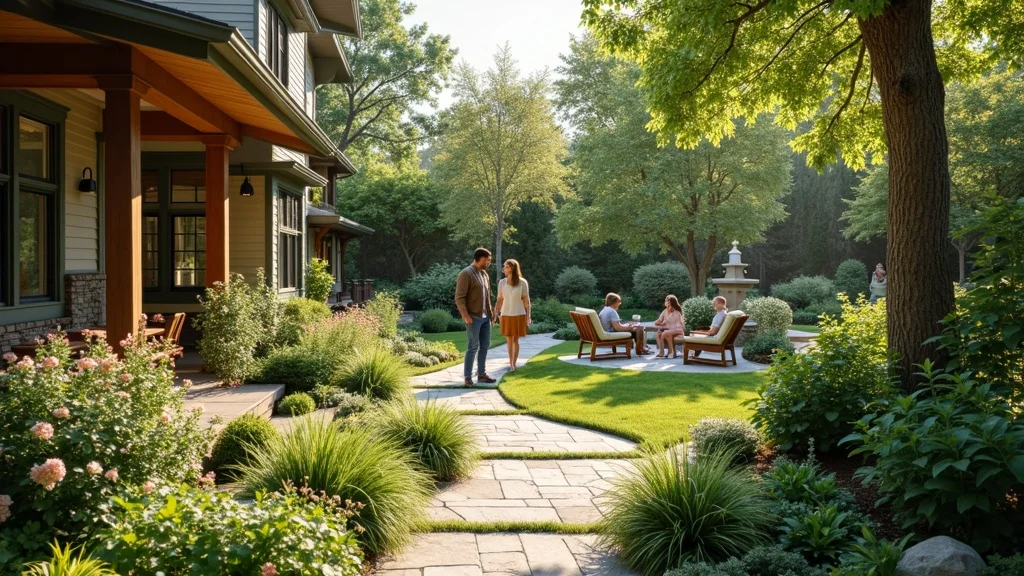
For homeowners, landscape architecture is an investment that goes beyond looks—it’s about quality of life and long-term savings. Well-designed outdoor spaces extend your living area, offer privacy, and increase safety, while also supporting the local ecosystem. A professional landscape architect will analyze your property, noting sun angles, drainage, soil composition, and even the microclimate, ensuring that every planting or patio placement serves its best purpose. Strategic design means you’ll spend less time on maintenance and watering, and more time enjoying nature’s comforts.
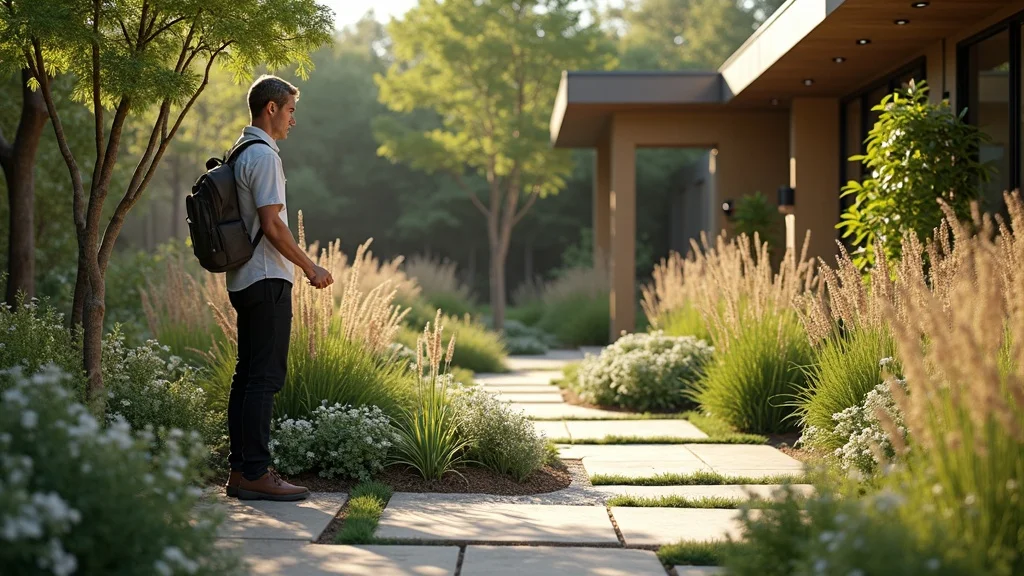
From creating rain gardens that filter runoff to native plantings that invite birds and butterflies, these experts blend technical skills with an eye for beauty. Sustainable landscape solutions like permeable patios or solar lighting reduce your footprint while adding value. Most importantly, hiring a landscape architect gives you peace of mind—ensuring long-lasting appeal and compliance with regulations in the United States. If you dream of an eco-friendly sanctuary that suits your style, now is the time to partner with Scapes Unlimited for inspired, responsible landscape design.
As you consider the many ways a landscape architect can enhance your property, it’s also helpful to explore practical strategies for maintaining your investment. For instance, understanding common lawn irrigation mistakes that can drain your wallet can help you protect both your landscape and your budget over time.
What Exactly Does a Landscape Architect Do?
Core Responsibilities of a Landscape Architect
- – Site analysis and project planning
- – Designing open space for recreation and relaxation
- – Integrating sustainable solutions
- – Regional planning and urban and regional project management
- – Navigating local and federal regulations in the United States
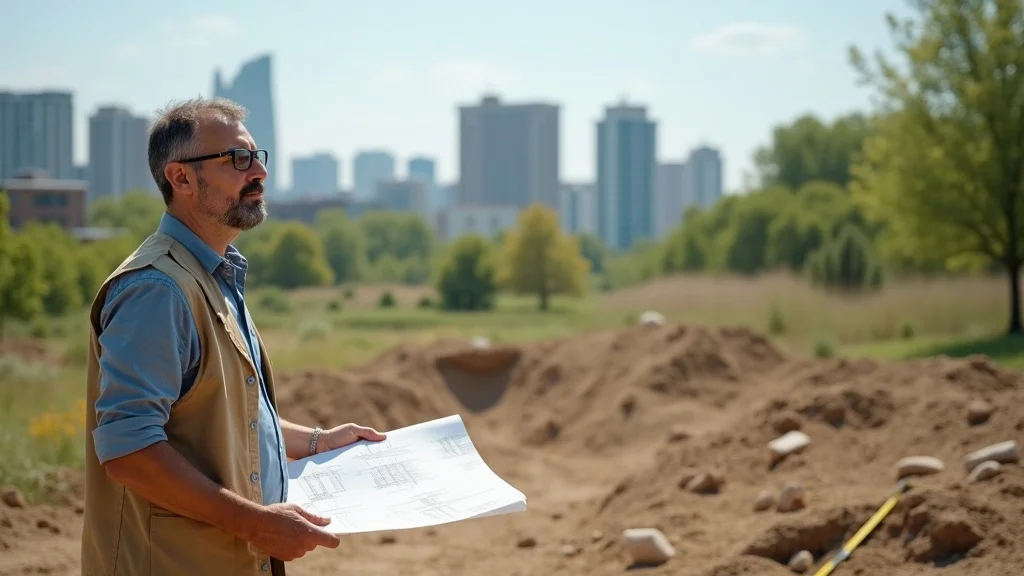
Understanding the true breadth of a landscape architect’s job reveals their essential place in both private and public project success. These professionals start by performing a detailed site analysis, studying your property’s conditions, potential, and limitations. They consider everything from existing trees and slopes to sunlight and stormwater flow. With this foundation, a landscape architect crafts a tailored plan—highlighting zones for play, relaxation, gardening, or entertaining—blending ecology, safety, and aesthetics.
Importantly, landscape architects are skilled in regional planning and can adapt strategies for everything from a single-yard improvement to complex urban developments. They ensure that your project complies with city codes, environmental standards, and the latest trends in green infrastructure, such as green roofs and rainwater gardens. Many projects in the United States even require a licensed landscape architect to handle permit acquisition and coordination with civil engineers. By managing the design and oversight, you get a seamless experience and a landscape that thrives for years.
People Also Ask: What does a landscape architect do?
Answer: Landscape architects plan and design outdoor environments by analyzing sites, developing detailed plans for parks, gardens, and residential yards, selecting plants, and overseeing the installation of landscaping features. They also integrate environmental sustainability and safety standards into every project.
Is Landscape Architecture Right for You? Exploring Work Experience & Skill Requirements
Work Experience: Key Skills You’ll Need in Landscape Architecture
- – Analytical skills for site evaluation
- – Creativity in open space design
- – Project management for large-scale and residential projects
- – Technical proficiency (AutoCAD, GIS)
Considering a career in landscape architecture? Whether you’re stepping into your first design studio or aiming to hire the best, it’s important to understand the multifaceted skill set required
In today’s world, familiarity with cutting-edge tools like AutoCAD and GIS (Geographic Information Systems) is essential for drafting plans and managing site data. These technical skills complement an eye for detail and environmental ethics, ensuring a sustainable design that benefits communities and the planet. Whether you’re considering enrolling in a Bachelor of Landscape Architecture program or you’re a homeowner in need of a real expert, Scapes Unlimited delivers the reliable experience to make your goals a reality.

The Process: Landscape Architecture from Consultation to Completion
- Initial client consultation
- Site analysis and data gathering
- Concept development and regional planning
- Design refinement and plant selection
- Implementation—collaborating with contractors
- Follow-up, maintenance, and project evaluation
The landscape architecture process is a step-by-step journey designed to realize your outdoor dreams while ensuring lasting value and sustainability. It begins with an initial consultation, where your vision, challenges, and goals are outlined. Next, the landscape architect conducts a thorough site analysis, collecting data on sun patterns, soils, drainage, and views. This informs the concept development stage, where ideas are translated into preliminary sketches and overall spatial planning. Whether your project is a residential yard or a larger urban and regional planning initiative, attention to function and style is paramount.
Once the concept earns your approval, the plan is refined with detailed plant selections and material choices that fit the local climate and your preferences. The landscape architect then provides oversight as skilled contractors bring the plan to life—installing patios, pathways, planting beds, and sustainable elements like rain gardens or green roofs. The final stages include follow-up, evaluation, and support to ensure your new landscape matures beautifully. For homeowners, working with Scapes Unlimited means every step is guided by expertise, creativity, and care.

Landscape architecture transforms spaces—balancing creativity with science to make environments both beautiful and functional.
How to Choose the Right Landscape Architect: Tips for Homeowners
- – Check credentials: Bachelor of Landscape Architecture or master’s degree program
- – Portfolio review: urban and regional projects, residential yards, open space designs
- – Experience with local regulations, especially in the United States
- – Client testimonials and referrals
- – Sustainable and innovative design approaches
Choosing the right landscape architect can be the difference between an ordinary yard and an extraordinary retreat. Start by reviewing academic credentials—such as a Bachelor of Landscape Architecture or a master’s degree from a reputable department of landscape architecture. Look for a strong portfolio with diverse projects, including urban and regional parks, residential landscapes, and imaginative open space solutions. Experience with navigating local and federal regulations in the United States is a must, as compliance can be complex for large or intricate projects.
Don’t overlook the importance of client testimonials and professional referrals—these provide real-world insight into reliability, creativity, and problem-solving abilities. Finally, ask about sustainable design methods. Today’s leading landscape architects use green infrastructure, native plants, and water-smart strategies to deliver beautiful, functional yards that support your values and the planet.

Table: Comparing Landscape Architecture Services
| Service Type | Description | Typical Cost | Project Timeline |
|---|---|---|---|
| Residential Design | Personalized yards & gardens | $3,000 – $15,000 | 1-3 months |
| Urban & Regional Planning | Parks, plazas, civic spaces | $25,000+ | 6-18 months |
| Sustainable Projects | Green roofs, water management | $5,000+ | 6 wks – 6 months |
Education Pathways: Understanding Landscape Architecture Degree Programs
Bachelor of Landscape Architecture, Master’s, and Professional Certification
- – Overview of degree program options
- – Key coursework: design studios, ecology, and regional planning
- – Internships and real-world work experience opportunities
- – Role of the department of landscape architecture in career support
Interested in joining the ranks of professional landscape architects? Most begin their journey in a formal degree program—typically a Bachelor of Landscape Architecture or a master’s pathway from a trusted department of landscape architecture
Real-world work experience—through internships or co-ops—is a major component of most accredited degree programs in the United States. Not only does this hands-on training nurture your skills, but it also enriches your professional network and experience. Departments of landscape architecture often provide job placement support and mentorship, ensuring that new graduates step confidently into the workforce. Whether your aim is to design stunning home landscapes or lead large-scale urban projects, Scapes Unlimited values and seeks out this dedication in our team.

Debunking Myths: Is Landscape Architecture All About Math?
- – The role of math in landscape architecture
- – Creative skills vs. technical skills
- – How landscape architects balance math, science, and art
Many people believe that landscape architecture is either pure art or strictly technical. The truth blends both. Math is certainly important, helping with precise measurements, grading for drainage, budget calculations, and technical drawings. However, just as essential is the creative process: envisioning how plants, pathways, and people interact in a space. Successful landscape architects harness both sides—calculating the size and shape of a green roof as thoughtfully as they select plants and materials for beauty, function, and sustainability.
The field’s best professionals possess a strong mix of creative problem-solving skills and technical knowledge. They collaborate with engineers, ecologists, and city planners, making sure each project balances environmental science, design flair, and practical application. In today’s dynamic outdoor environments, both math and creativity are your allies—bringing inspiration to life while respecting nature and safety.

Urban and Regional Innovations: How Landscape Architects Shape Communities
- – Notable urban and regional case studies
- – Role in revitalizing open space
- – Environmental impact in the United States
- – Collaborations with municipal and private sector partners
Landscape architects play a pivotal role in the design and revitalization of urban and regional spaces across the United States. Their expertise is visible in award-winning public spaces, transformed city parks, and green corridors that breathe life back into struggling neighborhoods. Notable case studies, such as the High Line in New York or Millennium Park in Chicago, highlight how creativity and strategic regional planning can revamp entire communities, foster social connection, and improve environmental health.
FAQs: Landscape Architecture for Homeowners
- What is the difference between a landscape designer and a landscape architect?
A landscape designer typically focuses on smaller-scale planting plans and aesthetics, while a licensed landscape architect is qualified for complex site designs, permitting, and large public or private projects, requiring advanced education and licensure. - How much does it cost to hire a landscape architect?
The investment depends on project size and scope. Residential services generally range from $3,000 to $15,000, while large parks or regional planning can be much higher. - What are the benefits of professional lawn care led by a landscape architect?
Expert-led care ensures plants thrive, maintenance costs stay low, and your yard is both beautiful and practical year-round. - How do landscape architects incorporate sustainability into home yards?
They use strategies such as native plants, rain gardens, permeable surfaces, and efficient irrigation to reduce resource use and support local ecosystems.
Key Takeaways: Why Landscape Architecture Is a Wise Investment
- – Landscape architecture increases home value
- – Professional plans save time and money in the long run
- – Sustainable solutions benefit you and the environment
- – Expert-led lawn care is both beautiful and functional
Get Started: Elevate Your Lawn and Outdoor Spaces with Expert Landscape Architecture
- Looking to elevate your lawn care game? Scapes Unlimited is here to help transform your yard into a lush, green paradise. Whether you need expert advice or professional lawn care services, our team is ready to bring your vision to life. Reach out today and let us handle the hard work – so you can enjoy a pristine lawn year-round. Contact Scapes Unlimited now to get started!
In summary: Upgrading your world with landscape architecture is an investment that enhances beauty, savings, and sustainability for years to come.
If you’re inspired to take your outdoor environment to the next level, there’s a world of creative ideas and expert guidance waiting for you. Discover how thoughtful design can unlock the hidden beauty of your landscape by exploring transformative landscape design strategies that go beyond the basics. Whether you’re seeking inspiration for a complete yard makeover or want to understand the latest trends in sustainable landscaping, this resource offers actionable insights and advanced techniques to help you realize your vision. Dive deeper and see how your outdoor space can become a true extension of your lifestyle and values.
Landscape architecture is a multifaceted profession that involves the planning, design, and management of natural and built environments. Landscape architects work on a diverse range of projects, from designing public parks and urban spaces to creating sustainable residential landscapes. Their work integrates environmental sustainability, aesthetic design, and functionality to enhance the quality of life for communities. (asla.org)
The American Society of Landscape Architects (ASLA) is the professional association for landscape architects in the United States, representing nearly 16,000 members. ASLA provides resources and advocacy for the profession, emphasizing the importance of sustainable and resilient design in creating healthy and equitable environments. (asla.org)
For a comprehensive understanding of landscape architecture, including its history, key principles, and notable projects, the Britannica article on landscape architecture offers valuable insights. (britannica.com)
If you’re interested in exploring the educational pathways and career opportunities in this field, the ASLA’s “Designing a Landscape Architect” page provides detailed information on degree programs, licensure requirements, and potential career paths. (asla.org)
By delving into these resources, you can gain a deeper appreciation for the role of landscape architecture in shaping our environments and enhancing our daily lives.


