

Did you know healthy trees and shrubs can boost your home’s curb appeal so much that they add up to 20% more to your property value? When you invest in smart tree and shrub care, you’re not just improving your landscape—you’re building long-term value and creating a thriving outdoor paradise
If you want to keep your outdoor space lush and vibrant, mastering the art of tree and shrub care is essential. Homeowners across the nation struggle with issues like persistent pests, root zone problems, and unpredictable weather that can threaten plant health and diminish their property’s allure. In this guide, we’ll unlock essential care program secrets—and walk you step-by-step through everything you need to know to protect, nourish, and enhance your shrubs and trees. Whether you’re hoping to find the plan that best suits your needs or are searching for expert shrub care tips, you’re in the right place for truly transformative advice!
Unlocking the Secrets of Effective Tree and Shrub Care

“Did you know that up to 20% of residential property value can be attributed to healthy trees and shrubs? Investing in proper tree and shrub care pays off in both curb appeal and long-term landscape health.”
Your landscape’s health starts with a solid foundation—a tailored shrub care program and tree and shrub care service built for results. Modern care programs address all facets of plant health, from regular feeding to disease control and advanced pest management. Whether you rely on professional care service expertise or prefer to roll up your sleeves DIY-style, you’ll discover actionable advice to tackle everything from pesky pests in your outdoor space to boosting ornamental trees’ longevity.
As you develop your care routine, it’s important to remember that effective pest management is a cornerstone of healthy landscapes. For a deeper dive into strategies that prevent and control common threats, explore these lawn pest management techniques that stop damage before it starts—many of which can be adapted for your trees and shrubs as well.
The key? Understanding programs, schedules, and techniques that best protect your unique root zone and landscape plants
What You’ll Learn About Tree and Shrub Care
- The fundamentals of tree and shrub care for homeowners
- Key differences between tree and shrub care programs
- Choosing the right care service for your property
- When and how to apply fertilizers and horticultural oils for optimal plant health
- Insights into professional care programs and services
Understanding Tree and Shrub Care: Programs and Services Explained
What is a Tree and Shrub Care Program?
“Customized shrub care programs can address seasonal threats, nutrient deficiencies, and promote strong root zone development for long-term vitality.” — Certified Arborist
A tree and shrub program is a comprehensive, science-backed approach to maintaining and enhancing your landscape plants’ health. These programs are designed to address all the essential elements—from soil conditioning, pest and disease control, to routine feeding. By investing in a solid shrub care program, you’re equipping your ornamental trees and shrubs to resist disease problems, manage persistent pests, and thrive throughout the changing seasons.
Most tree and shrub care services offer tailored plans that start with an assessment of species, current health status, and root zone condition. Regular treatments—including the application of horticultural oil and strategic fertilization—protect your shrubs and trees from pesky pests in your outdoor space and environmental stress. Ultimately, a well-chosen care program ensures plant health is addressed holistically, creating a robust, resilient landscape that adds value to your home.
Professional Tree and Shrub Care Service vs. DIY Approaches
Choosing between a professional care service and DIY tree and shrub care often comes down to your specific landscape needs, budget, and time. Professional care services employ certified arborists and trained technicians who understand the local climate, common disease problems, and the demands of your particular shrubs and trees. Their expertise helps put a stop to active and persistent pests, ensures optimal disease control, and delivers weed control when needed.
Meanwhile, a DIY approach gives homeowners more control and a hands-on connection to their outdoor space. However, it can be challenging to find the plan that best protects your landscape if you’re less experienced or busy. While both paths can keep plants healthy, enlisting expert help from a reputable care service provides peace of mind for property owners who want guaranteed and lasting results.
Key Components of Effective Shrub Care: A Program Overview

- Assessment of Plant Health and Identification of Tree and Shrub Species
Every successful shrub care program begins with a detailed evaluation of plant health, including identifying the species, root zone needs, and any signs of stress, pests, or disease. Correct identification is imperative to apply suitable treatments and preventative measures tailored to each variety of shrubs and trees. - Seasonal Fertilization and Disease Prevention
Regular feeding using specialized fertilizers is a hallmark of effective care programs. Coupled with proactive disease control, such as applying fungicides and addressing soil nutrient deficiencies, these practices fortify plants for the growing season, stop to active pathogens, and support lush, vibrant foliage. - Root Zone Management and Proper Mulching
Nurturing root zones with organic mulch conserves moisture, regulates soil temperature, and blocks weeds. Thoughtful mulching is essential for ornamental trees and shrubs, significantly improving water retention and minimizing fluctuations in soil health. - Application of Horticultural Oil and Pest Control
Pests in your outdoor space can be both active and persistent, but routine applications of horticultural oil as part of your care program can put a stop to infestations while minimizing harm to beneficial insects. Integrated pest management combines regular inspection with targeted treatments to protect landscape plants. - Regular Pruning and Structural Maintenance
Scheduled pruning for both trees and shrub species removes diseased, dead, or crossing branches, optimizes plant structure, and ensures healthy, future growth. This process is vital for maintaining lasting plant health and picture-perfect curb appeal.
Tree and Shrub Care for Optimal Plant Health
Soil and Root Zone Best Practices
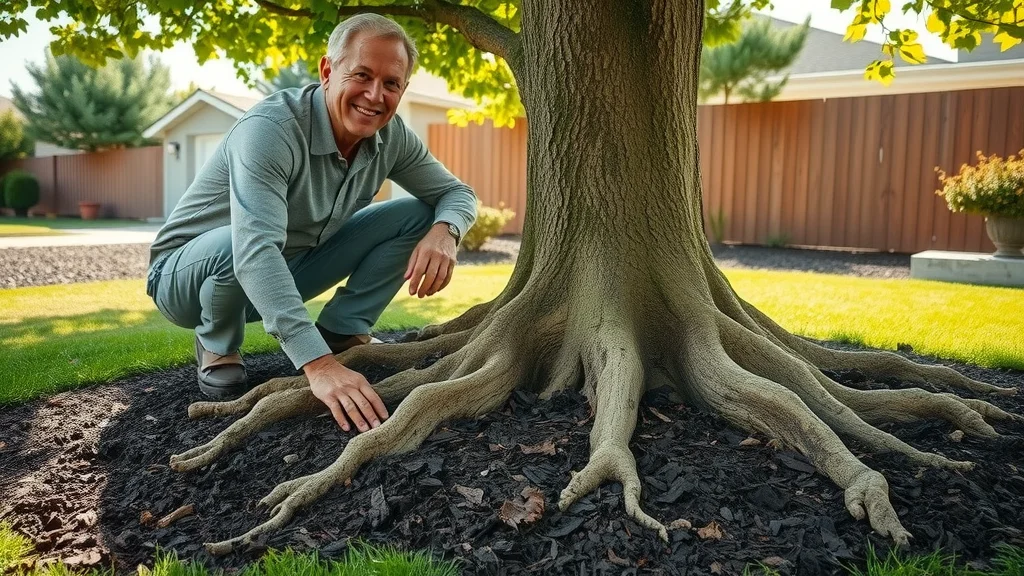
The root zone is where soil, water, and nutrients converge to nourish your landscape plants. Keeping the root zone undisturbed and well-mulched is critical. A two- to four-inch layer of organic mulch safeguards the soil while encouraging deep root expansion and effective weed control, especially for ornamental trees and shrubs. It also prevents soil compaction that can suffocate roots and stunt plant health.
Another best practice is deep, infrequent watering, which encourages roots to grow deeply and resist drought. Test your soil’s texture and pH routinely so any necessary adjustments can be made to support thriving shrubs and trees. Homeowners should take care not to over-fertilize, as excessive nutrients may harm delicate root systems and cause disease problems. Each care program should be tailored around the unique species and age of your plants for the healthiest results.
Plant Health: Common Threats and Solutions
Vigilant gardeners know that disease problems and persistent pests pose significant threats to landscape plants. Fast identification of issues such as powdery mildew, scale, or aphids means you can put a stop to active infestations. In your shrub care program, regularly monitoring visible symptoms—like yellowing leaves, stunted growth, or unusual spotting—ensures that you can intervene early.
Integrated pest management, including correct application of horticultural oil or selective herbicides, delivers targeted solutions while preserving beneficial insects and pollinators. Remember to keep the root zone undisturbed, and rotate your fertilizer and fungicide applications as needed to avoid chemical resistance. These sound practices, guided by your care program or a trusted care service, are the backbone of proactive, lasting plant health for trees and shrubs.
Choosing the Right Tree and Shrub Care Service
What to Look For in a Professional Care Program

When evaluating a professional care service for your tree and shrub care needs, look for certified arborists with proven experience and excellent client reviews. The best care program providers offer customizable plans that include a comprehensive plant health assessment, regular site visits, pest and disease monitoring, and clear communication regarding seasonal treatments and recommendations.
Ask if their programs incorporate soil and root zone testing, weed control strategies, and the use of safe, environmentally friendly materials such as horticultural oils and organic fertilizers. A reliable professional care service should offer a detailed calendar outlining tasks during each growing season—making it easy to find the plan that best protects your investment and guarantees beautiful outdoor space results.
Comparing Care Service Providers: Factors to Consider
Comparison shopping is essential in finding a care program that’s both effective and fits your budget. Request transparent quotes detailing all services, from shrub program design and disease control, to integrated pest management and follow-up care. Examine whether providers offer tailored advice for unique property features, like ornamental trees and native landscape plants, as well as optional add-ons such as emergency pest control or winterization services.
It’s also wise to review certifications, insurance, and satisfaction guarantees. Choose a shrub care service with a reputation for quality and responsiveness—one that’s committed not only to putting a stop to active pest or disease problems, but also to supporting your plants healthy for years to come.
How to Care for Trees and Shrubs: Expert Recommendations
Step-by-Step Tree and Shrub Care Checklist
- Inspect regularly for pests and diseases
- Water deeply but infrequently for deep root growth
- Mulch around root zones to retain moisture and prevent weeds
- Fertilize according to your shrub care program schedule
- Prune at the right time for each species
By following this actionable checklist, homeowners can ensure their shrub care program delivers reliable results. Start with routine inspections to catch potential persistent pests and put a stop to disease problems early. Deep, careful watering strengthens the root zone, while fresh mulch offers both protection and weed control. Adhering to fertilization schedules—typically set up by professional care services—prepares your ornamental trees and shrubs to flourish through the growing season and beyond.
Timing your pruning to each plant’s cycle is crucial. Many species benefit from early spring or late fall trims, while others should only be pruned after flowering. Consulting a professional or referencing your care program calendar helps ensure that each task happens when it most benefits your trees and shrubs.
Incorporating Tree and Shrub Care Into Your Lawn Care Routine
Balancing Tree and Shrub Needs with Lawn Care
Your overall lawn care approach must take into account the specific requirements of your trees and shrubs to achieve the best results. Avoid overwatering lawns in ways that saturate the root zone of your landscape plants, which can lead to disease control challenges. Instead, water early in the day and target the base of shrubs and trees to prevent fungal growth and encourage resilient, deep roots. Leave a buffer zone when applying lawn-specific herbicides to avoid harming sensitive shrubs and trees in your outdoor space.
Synchronizing lawn care tasks, such as mowing and soil feeding, with your shrub care program creates a harmonious environment for all your landscape plants. With careful planning, you ensure your lawn remains lush while your ornamental trees and shrubs receive the protection and nutrition they need from your preferred care program or care service.
Integrating Shrub Program Tactics for Holistic Plant Health
The most successful landscapes integrate elements from diverse care programs—including regular inspection, mulching, and targeted pest control—into all areas of the yard. Professional shrub program tactics teach homeowners to spot trouble signs early, use horticultural oil when needed, and promote plant health everywhere. This unified strategy not only stops active and persistent pests but also creates holistic, long-term health for all outdoor living spaces.
Combine these tactics with an effective weed-control regimen and the proactive disease-control steps recommended by your care service provider. The result is a balanced, lush, and resilient property—regardless of the challenges your growing season brings.
People Also Ask: Essential Tree and Shrub Care Questions
How to care for trees and shrubs?
- Understand species-specific water and light requirements
- Apply mulch and maintain the root zone
- Schedule pruning and monitor for disease
Caring for trees and shrubs involves meeting their individual needs for sun, water, and nutrients. Regular mulching preserves moisture and protects the root zone—one of the most important aspects of a robust care program. Scheduled pruning keeps plants healthy, while routine disease and pest monitoring help put a stop to potential threats before they spread throughout your outdoor space.
When should trees and shrubs be pruned?
Pruning timing depends on the species and goals. Typically, the dormant season (late fall to early spring) is ideal for most trees, as it stimulates vigorous spring growth and helps control disease. Any dead, damaged, or diseased branches should be removed promptly, regardless of the season, to prevent the spread of issues. Flowering shrubs may require post-bloom pruning to maintain health without sacrificing blooms, so consult your care program provider for shrub-specific guidelines.
Do tree and shrub fertilizers go bad?
Most commercial fertilizers remain effective for several years if stored in a cool, dry location. However, exposure to humidity or improper sealing can degrade nutrients and reduce effectiveness—leading to outcomes that undermine the benefits of your care program. Always check the packaging for expiration dates, use fertilizers promptly, and follow care service recommendations for storage to ensure the best results for your landscape plants.
Tree and Shrub Care Table: Seasonal Tasks and Benefits
| Season | Task | Benefit |
|---|---|---|
| Spring | Fertilization, Pruning | Stimulates growth, shapes structure |
| Summer | Pest & disease inspection, deep watering | Prevents stress, disease mitigation |
| Autumn | Mulching, last trim | Insulates roots, prepares for dormancy |
| Winter | Basic maintenance, monitoring | Prevents winter damage |
FAQs About Tree and Shrub Care
- How often should a tree and shrub care program be implemented?
A care program should be followed throughout the year, with seasonal adjustments for fertilization, pruning, and pest control. Tailor the schedule to your plant species and local climate. - Do all trees and shrubs require horticultural oil?
Not every plant needs this treatment. Horticultural oil is typically applied to combat specific pests on ornamental trees and shrubs—always follow a care program or expert advice. - What is the difference between tree and shrub care and a general lawn care service?
Tree and shrub care focuses on woody landscape plants’ unique needs—root protection, pest and disease control, proper feeding—while lawn care generally targets turf health and weed control.
Key Takeaways on Tree and Shrub Care for Homeowners
- Routine investment in tree and shrub care increases landscape value
- Choosing a professional care service ensures expertly tailored care programs
- Incorporate shrub program techniques into regular lawn care for holistic property health
Transform Your Landscape with Expert Tree and Shrub Care

Watch: Pro Tips for Tree and Shrub Care Success
Pro Tips for Tree and Shrub Care Success — Step-by-step instructions, before-and-after visuals, and expert narration for healthy, beautiful landscape plants.
Ready for a thriving yard? Remember: investing in consistent tree and shrub care, choosing the best support, and integrating professional advice leads to a landscape you’ll love for years
For homeowners eager to take their landscape to the next level, integrating tree and shrub care with smart lawn practices is a game-changer. If you’re looking to optimize every aspect of your yard, consider exploring common lawn irrigation mistakes that can drain your wallet and undermine plant health. By understanding how watering habits impact both turf and woody plants, you’ll unlock a more resilient, beautiful, and cost-effective landscape. Dive deeper into advanced strategies and let your entire property thrive season after season.
Looking to elevate your lawn care game? Scapes Unlimited is here to help transform your yard into a lush, green paradise
To further enhance your understanding of tree and shrub care, consider exploring the following resources:
-
The Chicago Botanic Garden’s “Tree and Shrub Care” provides monthly guidelines on planting, pruning, and disease prevention, tailored to seasonal needs. (chicagobotanic.org)
-
The Tree Care Industry Association’s ANSI A300 standards outline best practices for tree care, including pruning, soil management, and integrated pest management. (en.wikipedia.org)
These resources offer valuable insights to help you maintain a healthy and vibrant landscape.


